quartet · haydn · fear
Haydn for nobody
Wedding season is over, so the quartet met on a Monday night in Toni's ground-floor flat just to play Haydn. No brides, no planner, no audience. Almost.
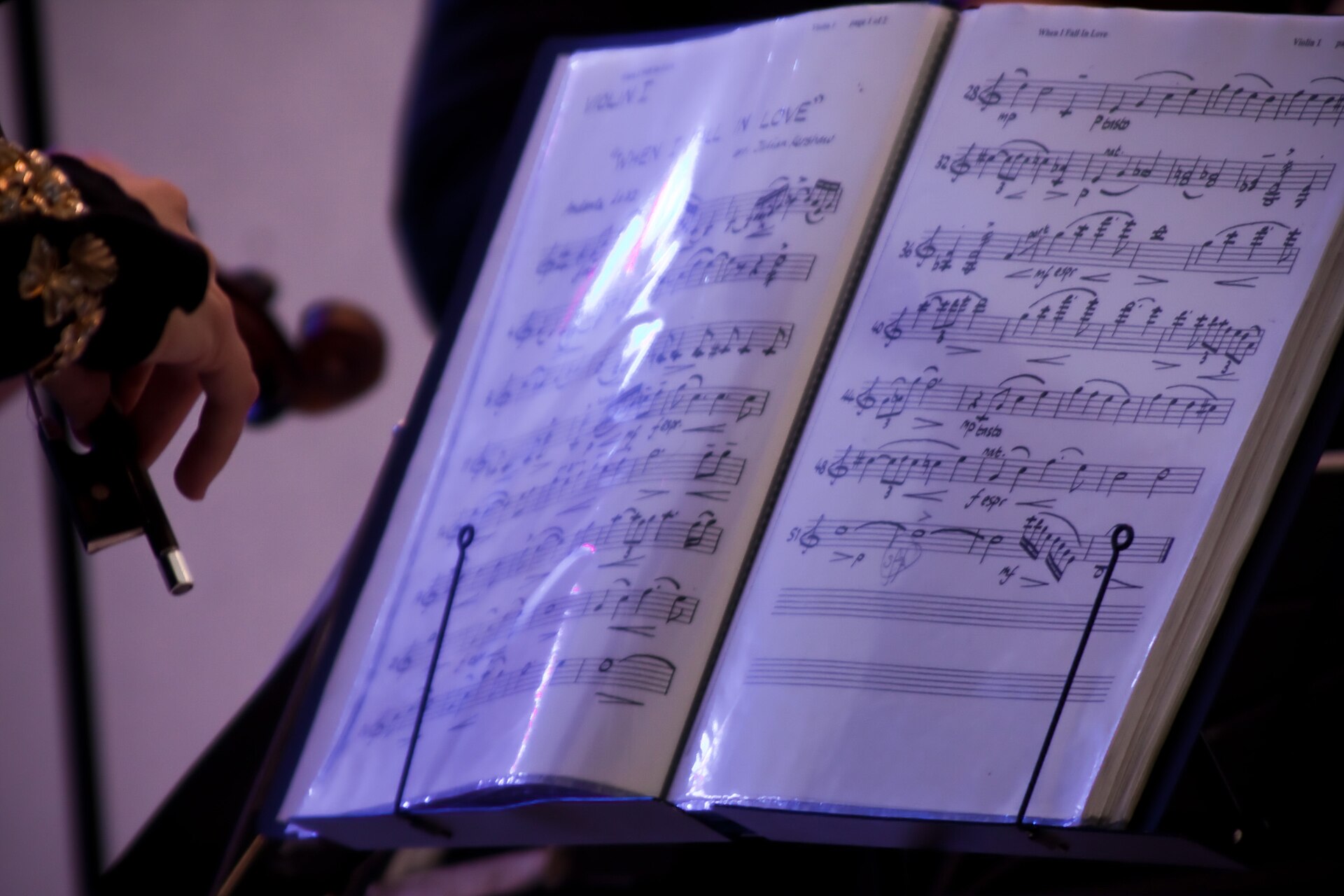
On Saturday we played the last wedding of the year, in Puçol. We didn't know it while we were playing, or we half knew: Laia had a possible one pencilled into her paper diary for November, at a hotel in Gandia, and on Sunday morning they wrote to say they'd gone with a DJ after all. So the season ended on its own, with no goodbye, with a badly amplified Handel "Hallelujah" in a function room full of crystal chandeliers and a waiter who brought us four croquettes in a napkin while we were already folding up the music stands.
On Sunday night, while I still had Albufera mud on my trainers, Laia messaged the quartet's group chat. It said: "Monday 9pm, Toni's place. Haydn Op. 76. No weddings." And then, a minute later: "Bring something to eat, Toni never has anything."
Toni's place
Toni lives in Benimaclet, in a ground-floor flat that used to be his grandmother's grocery shop. The wooden counter is still there, and now it's his table, his shelf and the place he drops the van keys. There's a metal shutter that sounds like a thunderstorm when he rolls it up. Inside it smells of old wood, cello rosin and a pine air freshener that doesn't manage to cover anything. A 1987 poster with the price of olive oil still hangs on the back wall.
I arrived by bike with half of one of Marta's tortillas wrapped in foil. Sergio brought beer and, of course, the fan, although it was eighteen degrees. Laia brought the music, a tin of Danish butter biscuits that turned out to be full of sewing thread and then, in another bag, actual biscuits. Toni brought nothing because he was already there. He'd set out the four chairs in a semicircle and moved an exercise bike out of the way, one he claims to use a lot. There was dust on the saddle.
The Op. 76 thing goes back a while. The four of us bought the parts in 2023, intending to play them "when we have time". Since then we'd opened them twice: once to look at them, and once to wedge under a wobbly table at a country house in Bétera. You never play it at weddings. Nobody walks down the aisle to Haydn, and if you put it on during the drinks, people just talk louder.
The Sunrise
Laia chose the fourth one, the one they call "Sunrise". It starts in a very strange way: the other three hold a chord, perfectly still, like fog, and the first violin rises out from underneath and climbs, slowly, one long note after another, until it's daytime. Which is basically my nightmare written down. Long notes, alone, up high, with everyone else quiet and listening to you.
When I saw it on the stand I laughed so I wouldn't do anything else. Laia looked at me over her glasses and said, "There's nobody here, Elena." Toni said, "There's me, but I don't count." Sergio said nothing because his mouth was full of tortilla.
The first time was a disaster, for reasons that had nothing to do with fear. We'd spent months playing the same twenty wedding pieces, which play themselves by now, and suddenly we had music in front of us that you actually had to read. Sergio got lost in bar twelve. Toni miscounted a rest and came in on his own, very confidently, with a low C that rattled the counter. We stopped, laughing.
The second time it worked. And that's when the thing happened that I haven't stopped thinking about since Monday: my bow didn't shake. Not even a little. I climbed those long notes slowly, with a calm arm, listening to Laia's viola shifting a millimetre below me, and the sound just hung there, in a ground-floor flat in Benimaclet that smelled of fake pine, with nobody filming it on a phone held upright. When we finished the first movement nobody said anything for a moment. Then Toni said "Mare meua" very quietly, which from him is practically a speech.
Almost nobody
Laia ruined it, very lovingly, at half past eleven, while we were packing up. She said the parish church in Russafa puts on concerts in February, on Sunday afternoons, that the priest is a cousin of one of her students, and why not. The whole of Op. 76, or at least the fourth. For people. No brides.
I said yes before I'd thought about it, because I was happy. And the moment I said it, with the violin already in its case, I felt my hands go cold. They hadn't been cold for three hours. It's amazing how quickly it comes back, like a dog waiting for you at the door.
What I haven't mentioned yet is that there was an audience. Halfway through the slow movement, through the little window at the top of the shutter that Toni leaves open so the pine smell isn't so bad, I saw a pair of checked slippers stop on the pavement. They didn't move until the end of the movement. Then they left, slowly, shuffling a bit. I don't know whose they were. Toni says they belong to the lady on the second floor, who takes the rubbish down at that time, and that she always stops when she hears the cello, but she's never knocked to complain, or for anything else.
I played that whole movement looking at a pair of checked slippers, and my bow didn't shake. I'm writing it down here for February.
Keep reading
Reeds and Mud, in El Palmar
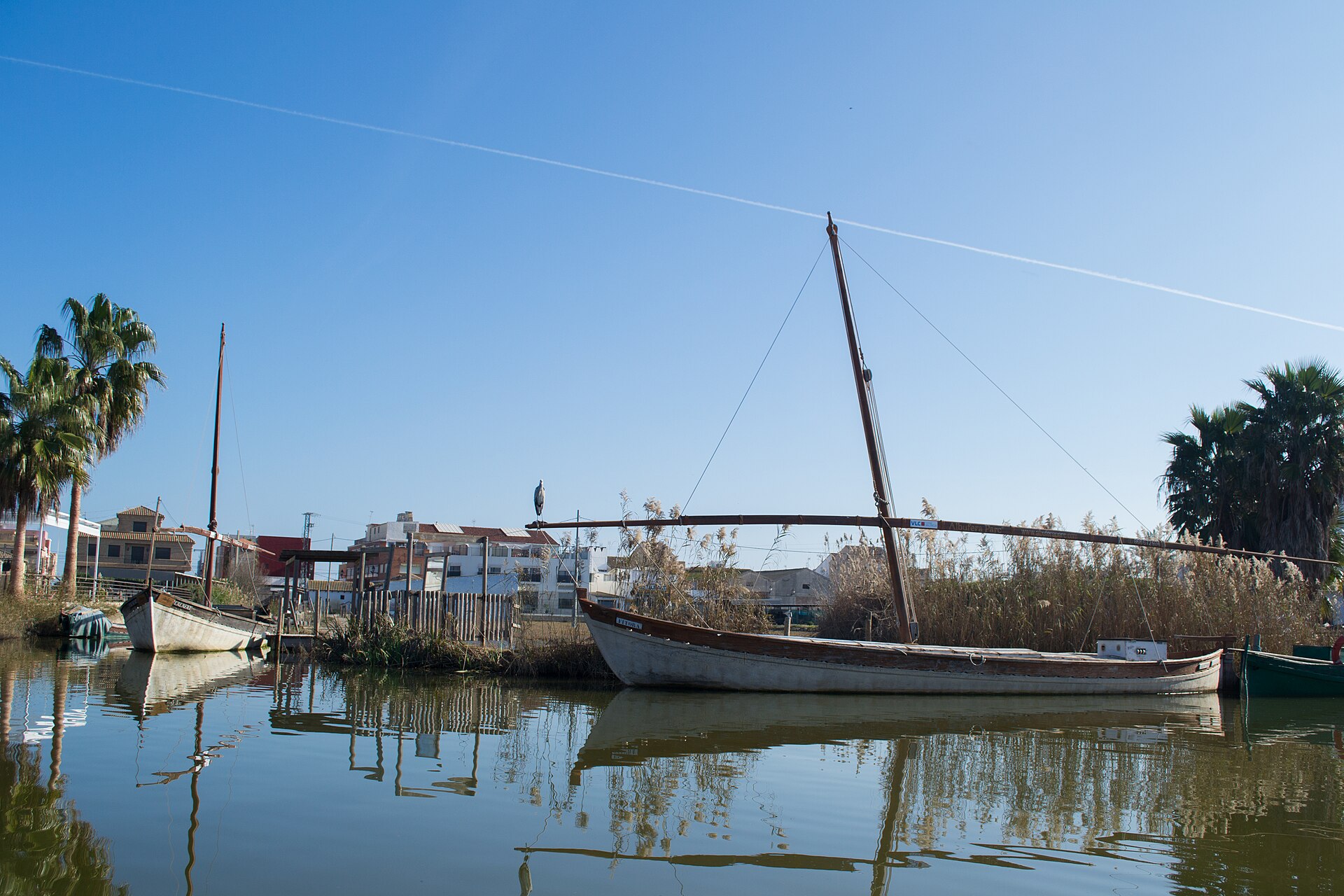
I'd been halfway through the book since August. On Sunday I cycled to the Albufera to read the last chapter where it happens, and a boatman spoiled it for me a little.
The man in row seven
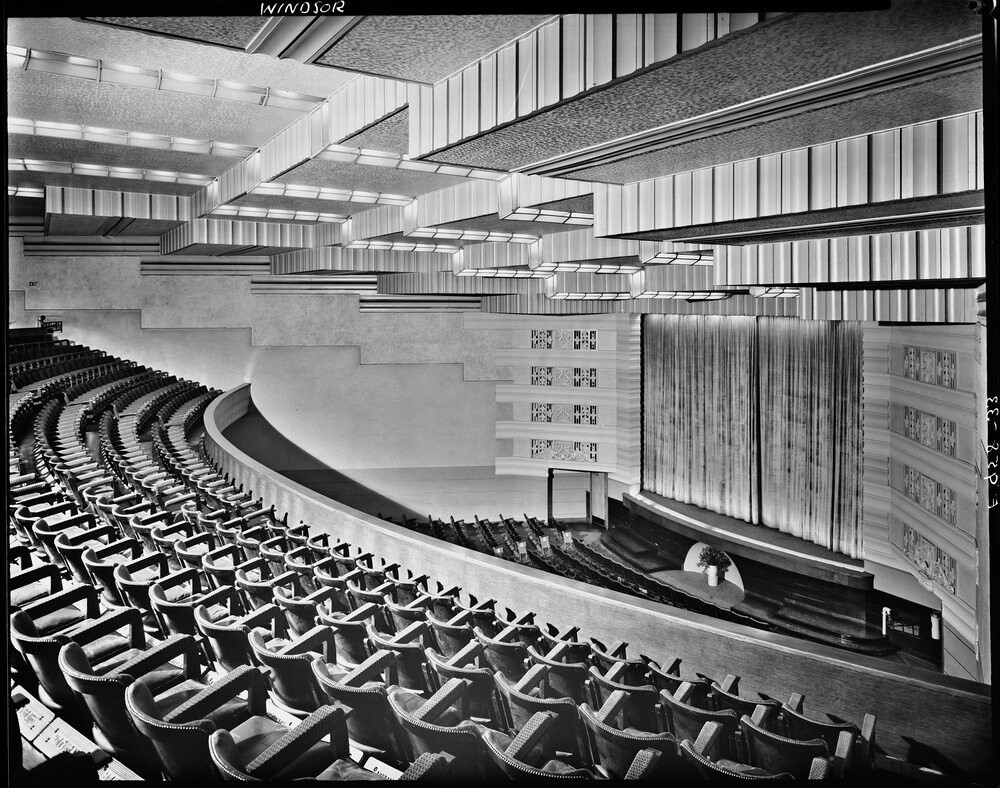
My Tuesday nights at the original-language cinema, alone, in the same seat. A stranger who peels mandarins in the dark and a film nobody else saw was out of focus.
The back brake
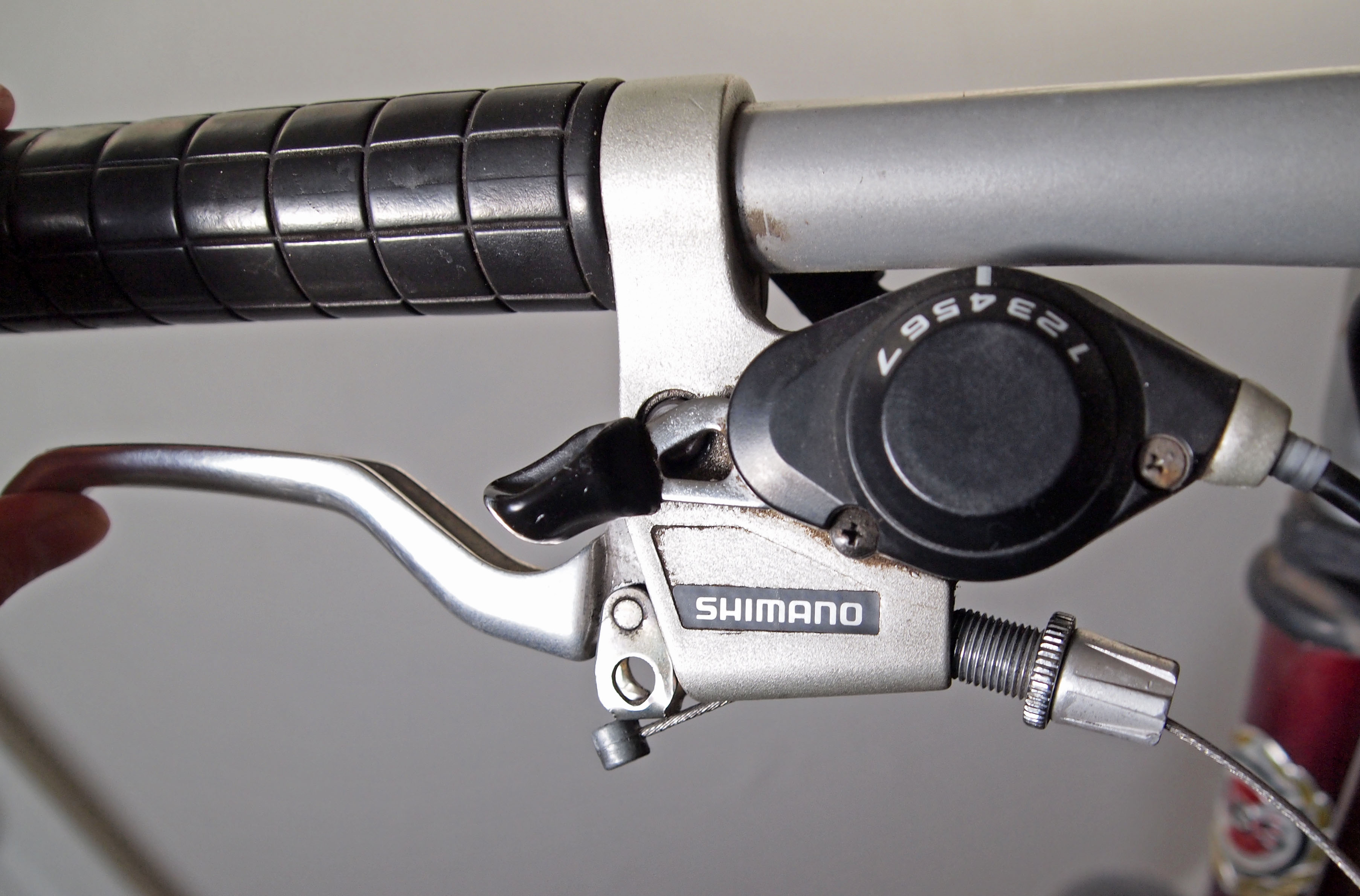
A Wednesday morning at a neighbourhood bike workshop, a rusty cable, a mechanic who wouldn't let me touch anything at first and a sticky note finally crossed out.