bike · russafa · to-do
The back brake
A Wednesday morning at a neighbourhood bike workshop, a rusty cable, a mechanic who wouldn't let me touch anything at first and a sticky note finally crossed out.
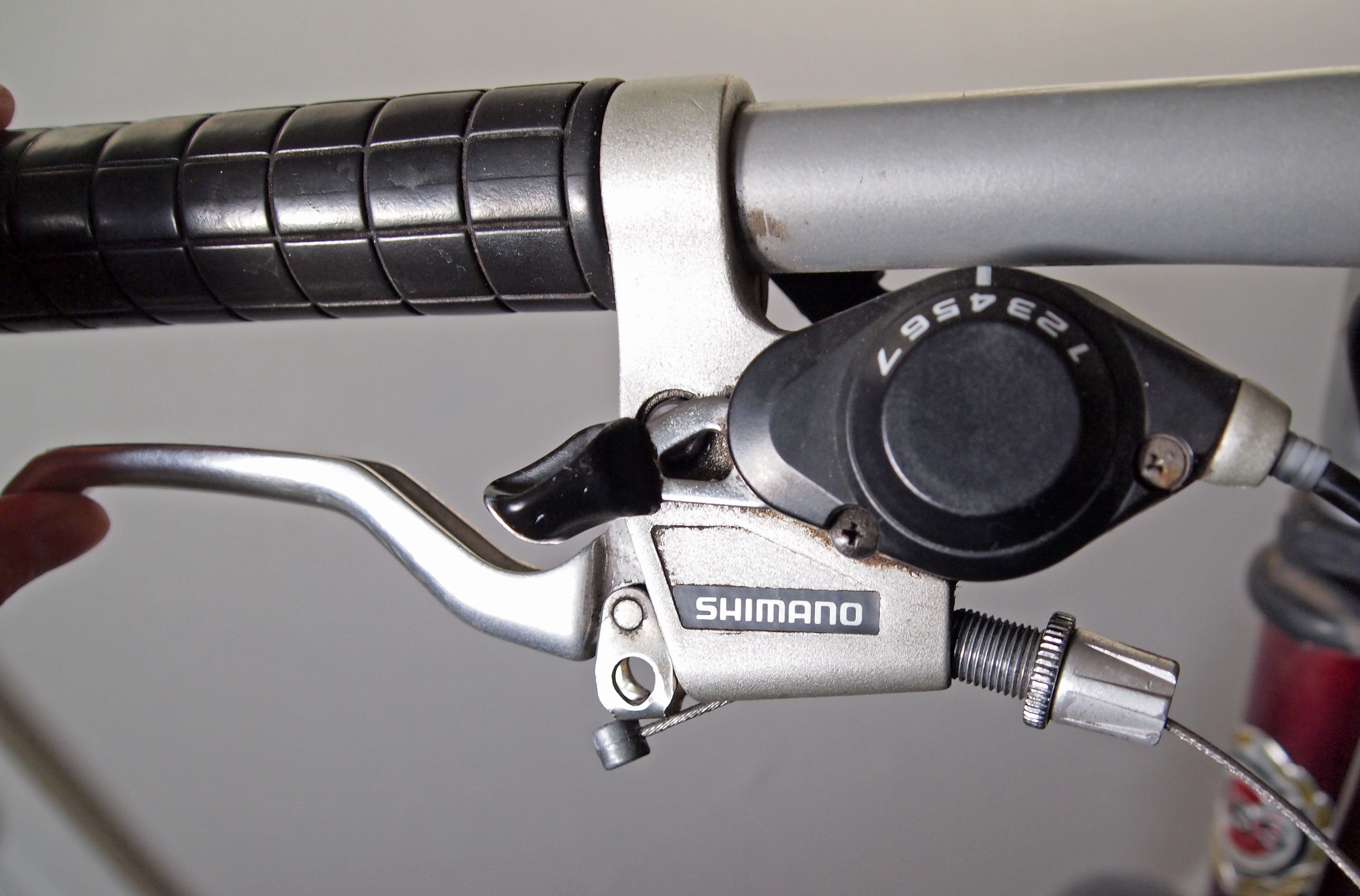
The sticky note had been on the fridge since the 6th of July. I know because I wrote it one night after coming down the slope of the Aragón bridge with my heart in my mouth, and because Marta, who corrects anything you put in front of her, dated it at the top in red pen. It said: Back brake. Over the summer more red appeared. A "?!" in August. A "Very poor" in September. Last week, after I told her I'd ridden all the way to the Cabanyal with the mocadorà in the basket braking with one hand, a "FAIL" underlined twice.
Yesterday I wrote it here so I'd be too embarrassed not to do it. It worked faster than I expected.
Amparo
On Calle Puerto Rico there's a bike workshop that opens on Wednesday mornings so people can fix their own bikes with its tools. I'd walked past it a hundred times. The shutter is painted with a blue bicycle that looks like a goat, and inside it smells of rubber, oil and stovetop coffee. This morning I got there at five to ten, pushing the bike because I didn't trust myself to ride it, and there were already two people waiting on the pavement.
It's run by a woman called Amparo. She must be about sixty, with white hair cut short like a boy's and nails black with grease that won't come off even with bleach, she told me later, and why would she want it to. She looked at the bike, looked at me, looked at the violin case on my back because I had a lesson afterwards, and asked: "And how long have you been without a brake?" I said since July. She didn't say anything. She just raised her eyebrows. I felt the way I do when the doctor asks how many beers I have a week.
Look before you touch
I wanted her to fix it. She didn't want to. "Here you learn," she said, and handed me a five-millimetre Allen key. But she didn't let me touch anything at first either. She made me squeeze the lever slowly and watch what happened back there, at the end of the cable. Nothing. The lever sank all the way to the grip, limp, and the brake pads didn't even notice.
The cable had rusted inside its housing, in the bit that runs under the saddle, right where the water collects when I leave the bike out in the street. Amparo pulled it out with two fingers and it came out the way an old violin string does, curly and the colour of tea, with a rough scraping sound. She put it in my hand. "This is what you had," she said. It weighed less than a pencil.
And then something odd happened: I understood all of it at once. A brake cable is a string. It goes from one place to another, it has to be under tension, and if it's tight it does its job and if it isn't, it doesn't. On the lever there's a little barrel you turn to tighten it a bit more, and it's exactly the same as the fine tuner on a violin's tailpiece, the one I twiddle a hundred times an afternoon between pieces. I told Amparo. She said she knew nothing about violins, but it looked like I knew something about this.
No swearing
I threaded the new cable myself, with Amparo's hands right there but not touching, the way I do with the kids when I teach them to put the violin on their shoulder. Twice it slipped out through the wrong hole. I tightened the bolt that clamps it, pulled it taut with pliers, loosened it again because it had gone in crooked. A boy with a ridiculously expensive road bike watched me from the next bench with a patience that made me more nervous than my conservatory exam panel.
Then the pads had to be centred so both touched the rim at the same time, which is the hardest part, Amparo said, because one of them always wants to get there before the other. Like in the quartet, I thought, but I didn't say it, because I'd already made one musical metaphor that morning and didn't want to overdo it.
I didn't swear once. I'm noting that because one of the things on my list of what I'm learning is "change a string without swearing", and this, deep down, was changing a string.
At the end Amparo sent me round the block. I rolled down Puerto Rico towards Calle Sueca, slowly, and on the corner, outside the greengrocer's, I squeezed only the left lever. The bike stopped. No squeal, no wheelie, nothing. It stopped the way a normal bike stops, which is something I'd forgotten bikes do. I stayed there for a moment with one foot on the ground, and the greengrocer asked if I was all right. I said yes, I was just braking.
When I got home for lunch the sticky note was still on the fridge. I crossed it out with Marta's red pen, which was in the pencil pot, and left it stuck there. This evening, back from my lessons, somebody had written underneath in the same round handwriting: Pass. July resit.
I've put the old cable in my violin case, coiled up next to the broken strings I keep without knowing why.
Keep reading
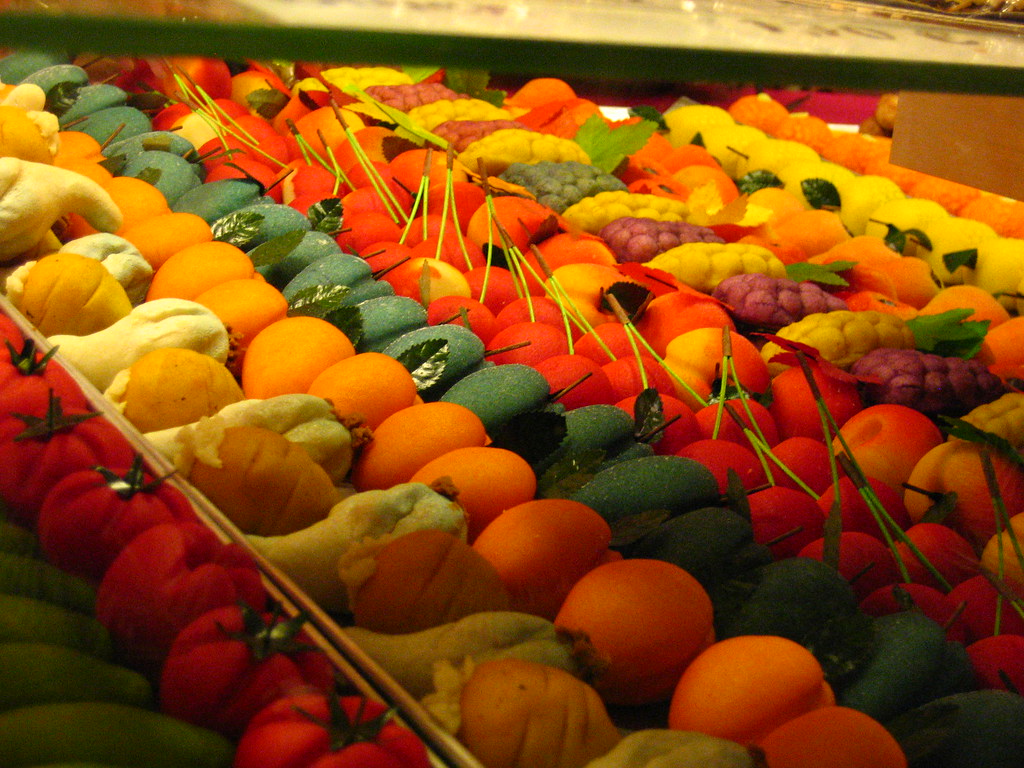
My grandmother's mocadorà
The 9th of October, a silk handkerchief full of marzipan fruit, a bike with no back brake and the custom my grandfather never once skipped.
What Nil asked me
A nine-year-old student, a school recital and a question about stage fright that I couldn't bring myself to answer with a lie.
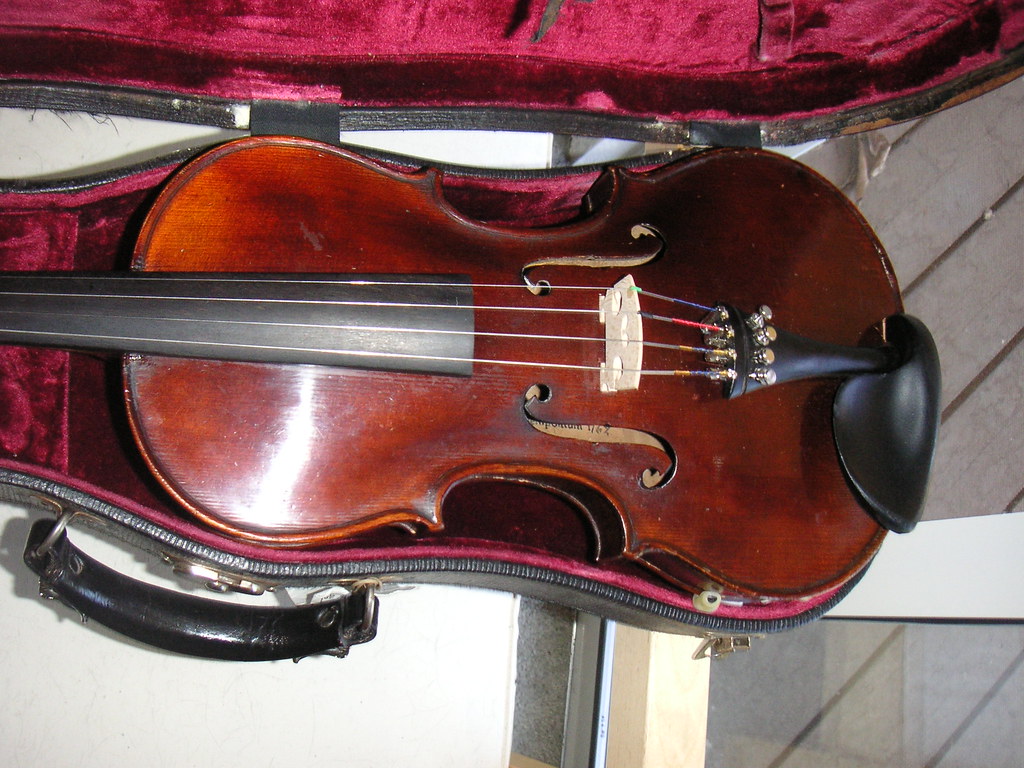
The wedding of the broken string
Thirty-eight degrees at a farmhouse near Llíria, eleven Pachelbel Canons in a row, an E string snapping at the worst moment and an uncle who wanted a party anthem.