violin · rain · workshop
A Soundpost Called the Soul
A rainy afternoon, a violin that suddenly sounded like it was wearing a sock, two days without it and an old conservatory classmate who now fixes them in El Carmen.
On Wednesday afternoon it rained the way it rains in Valencia in October, which is rarely and badly: nothing for weeks and then, all at once, a full hour of water falling sideways and turning Calle de Sueca into a river full of plane-tree leaves. It caught me halfway to the music school, on the bike, with the case on my back. The case is waterproof, or so the label said. I got to class with my hair plastered to my face and my jeans weighing twice what they should, and the caretaker handed me a roll of kitchen paper without a word, the way you'd hand a towel to a dog.
The violin seemed dry. I tuned it, taught my lessons, went home once the rain had stopped and the pavement was shining. I didn't notice anything. Or I noticed something and decided not to, which for me is the same thing.
A sock
I really noticed on Thursday morning, on the balcony, with my coffee. I got the violin out to practise the slow movement of the Haydn, the one from that night in Toni's ground-floor flat, and the G string sounded as if someone had pulled a sock over it. Muffled, dead, with a little buzz underneath, like a fly trapped inside a lampshade. I tried the D. Same. I tried the E, and at least that one was still itself, shrill and proud.
Marta came out in her pyjamas with a half-peeled orange and asked what was wrong with the violin, because it sounded "like it's got a cold". Marta knows nothing about music, but she has a nosy neighbour's ear, and it never fails.
I switched on my phone torch and looked through the right f-hole, one of the two S-shaped slits in the top of the violin. Inside, if all is well, you can see a little stick of spruce, standing upright, held in place by nothing but the pressure between the top and the back. It isn't glued. There are no nails. It stays up because it's in exactly the right spot. And it wasn't in exactly the right spot. It was slightly crooked, leaning inwards, like a drunk propped against a lamppost.
Jordi
The first thing they teach you about a shifted soundpost is not to tighten or loosen anything carelessly, because if it falls over completely while the strings are pulling, the top can cave in. So I let the four strings down a little, very gently, laid the violin in its case as if it were an egg and walked, pushing the bike, all the way to El Carmen.
The workshop is on a narrow street behind the Torres de Quart, in a ground-floor space with a green wooden door and a doorbell that doesn't ring. It belongs to Jordi, who was at the conservatory with me. He played violin too, a year ahead of me, and better than me, for the record. In his third year he quit. I never really knew why. One summer he went to Cremona for a course and came back saying he was more interested in the inside than the outside, and we all assumed that was a line to get out of explaining.
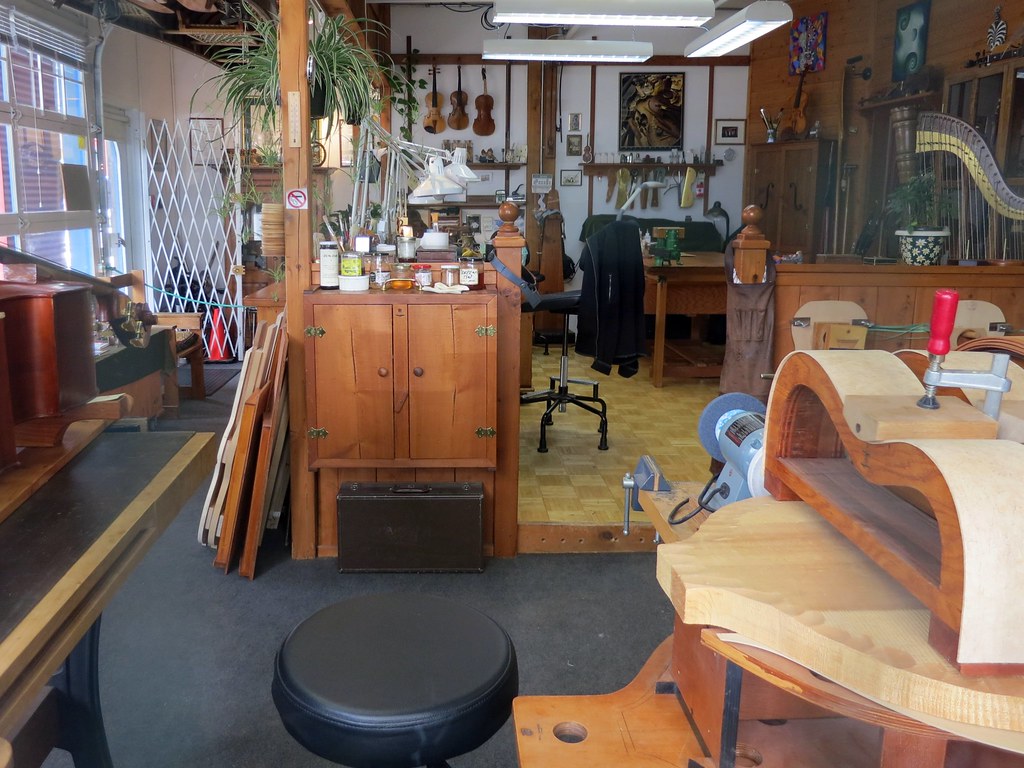
It smells of varnish, warm glue and wood shavings. There are stringless violins hanging from the ceiling on wire, like hams, and a cello lying open on a table with its top off, which feels slightly indecent to look at. Jordi was wearing a leather apron and reading glasses on the end of his nose that I'd never seen before. He said, "Elena Vidal, you look awful," and then, when he saw the violin, "Ah, no, it's him that looks awful."
Two millimetres
He looked through the f-hole with a dentist's lamp. He said Wednesday's humidity had swollen the wood a little and the soundpost, which was already a tight fit, had lost its pressure. Nothing serious. But the violin had to stay until Friday, to settle and so he could set it properly.
Until Friday. Two days. I haven't spent two days without my violin since a bout of flu in 2019.
I asked if I could watch. He took out a steel tool shaped like a long S, slid the tip through the f-hole, hooked the soundpost on one side and stood it up with a movement so small I almost missed it. Then he nudged it, tap by tap, towards the bridge. Two millimetres, he said. Every half millimetre changes the sound. I asked how he knows which one is right, and he shrugged: "I play it. If I like it, that's the one."
So he still plays. He told me without my asking: he doesn't miss the stage, but every violin that leaves the workshop he plays first, alone, with the door shut, and that's enough for him. He didn't say anything about fear. Neither did I.
On Thursday afternoon I taught with the school's loan violin, which has a dinosaur sticker on the back and an A string that sounds like a tin can. Nil spotted it straight away. He asked if I'd bought a new violin, and I said no, mine was at the doctor's. He looked at me very seriously and asked whether it was going to get better. Nil always asks the important question.
Today at twelve I went to pick it up. Jordi handed it over in tune and made me play right there, among the hanging violins, an open G, long, with the whole bow. It sounded the way mine sounds. Not better, not worse: mine. I had to look at the open cello for a moment.
He charged me eleven euros, "classmate's rate". I don't know what it is with this month and eleven euros.
I rode home slowly, braking at every light with both hands. When I got in I opened the case on the balcony and tilted the violin towards the light. Through the right f-hole you could see the soul: a stick of spruce as thick as a pencil, upright, in its place, holding everything up without anyone seeing.
Keep reading

Marta's aunt's oranges
The first box of oranges from Carlet arrived, leaves and all, along with an old house ritual: nobody buys them, nobody thanks her by message and nobody lets them rot.
Haydn for nobody
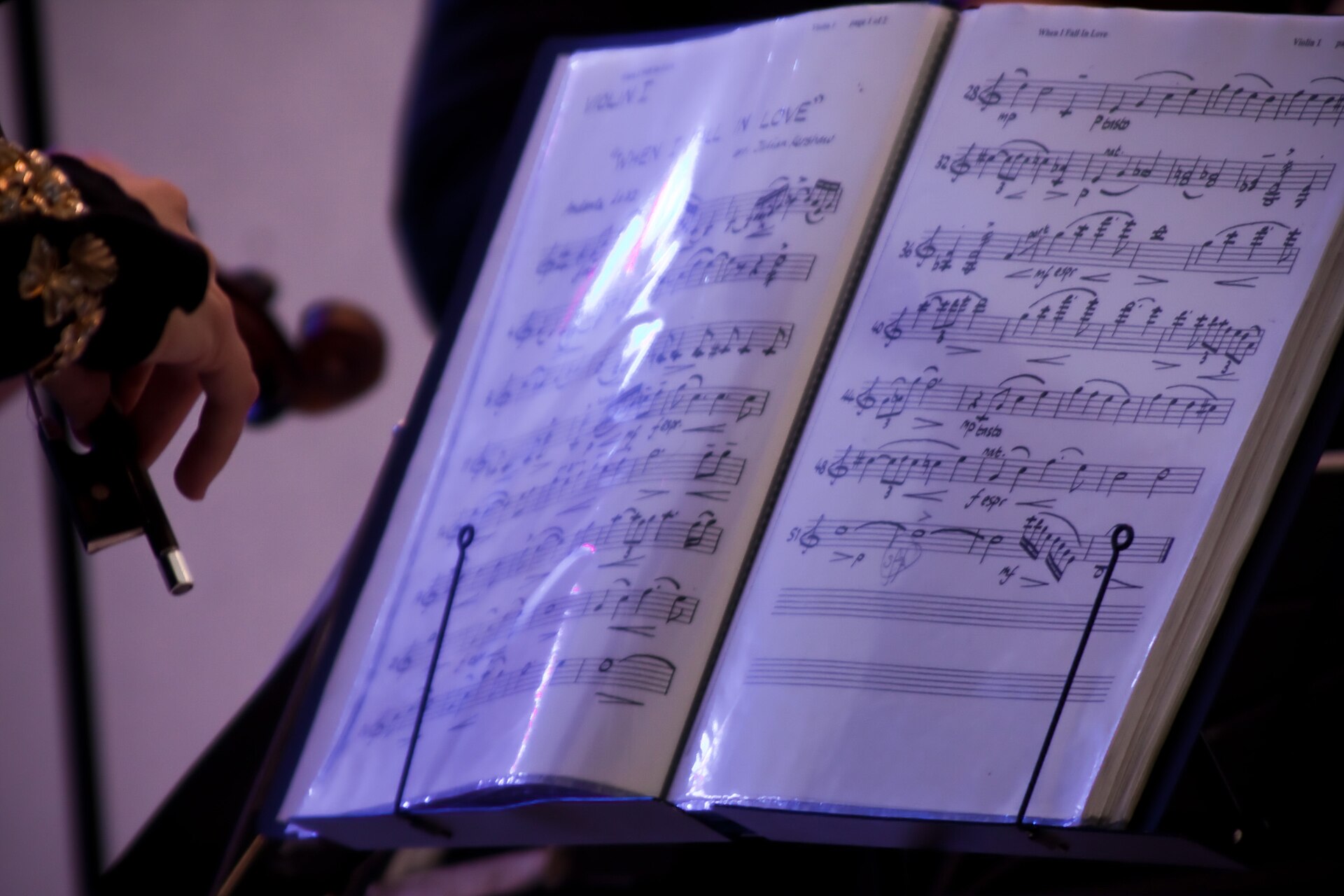
Wedding season is over, so the quartet met on a Monday night in Toni's ground-floor flat just to play Haydn. No brides, no planner, no audience. Almost.
Reeds and Mud, in El Palmar
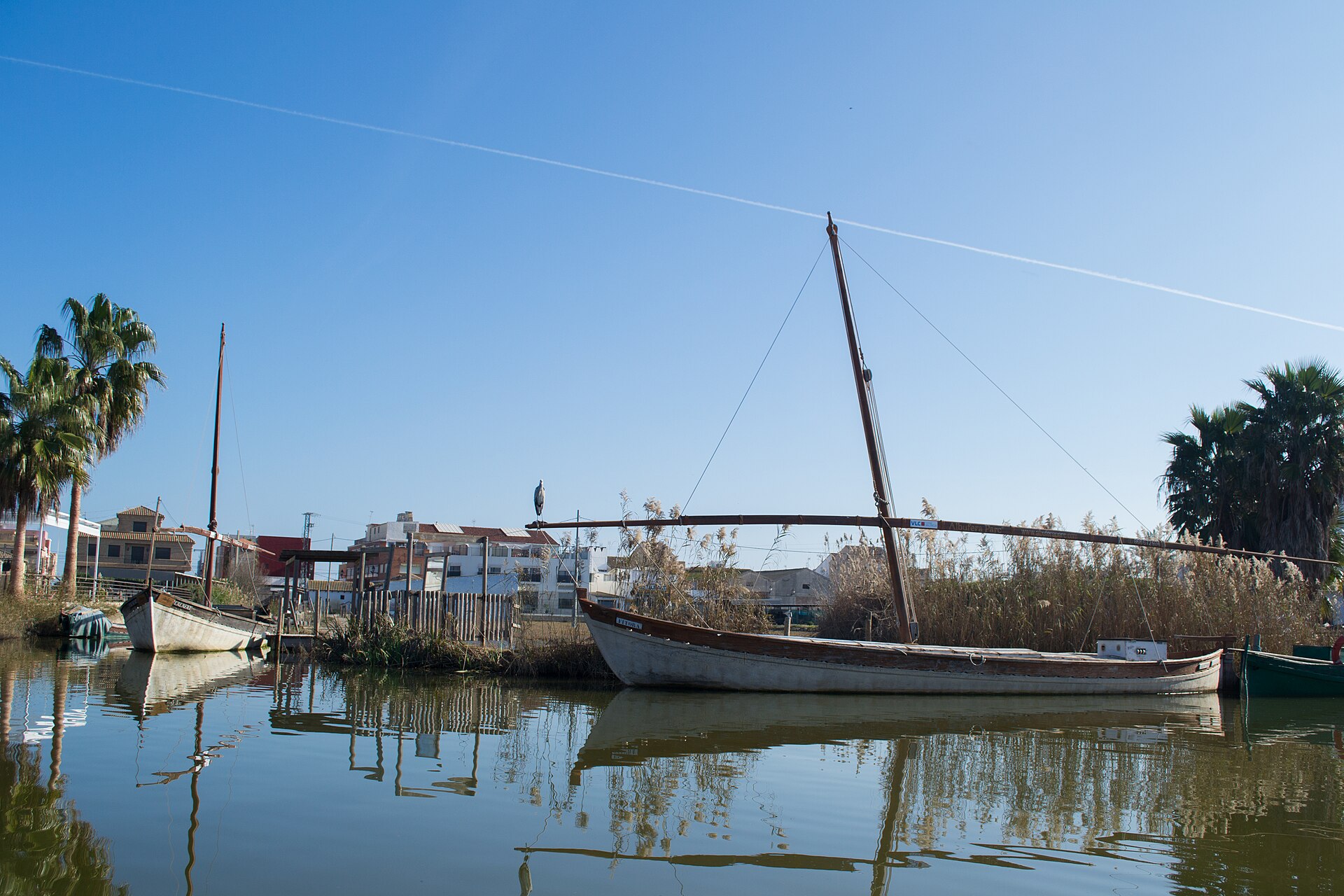
I'd been halfway through the book since August. On Sunday I cycled to the Albufera to read the last chapter where it happens, and a boatman spoiled it for me a little.