family · cemetery · grandmother
The niche before All Saints
A Monday afternoon with my iaia, a bucket, a cloth and the ladder at the Cabanyal cemetery, cleaning my grandfather's marble plaque before the first of November.
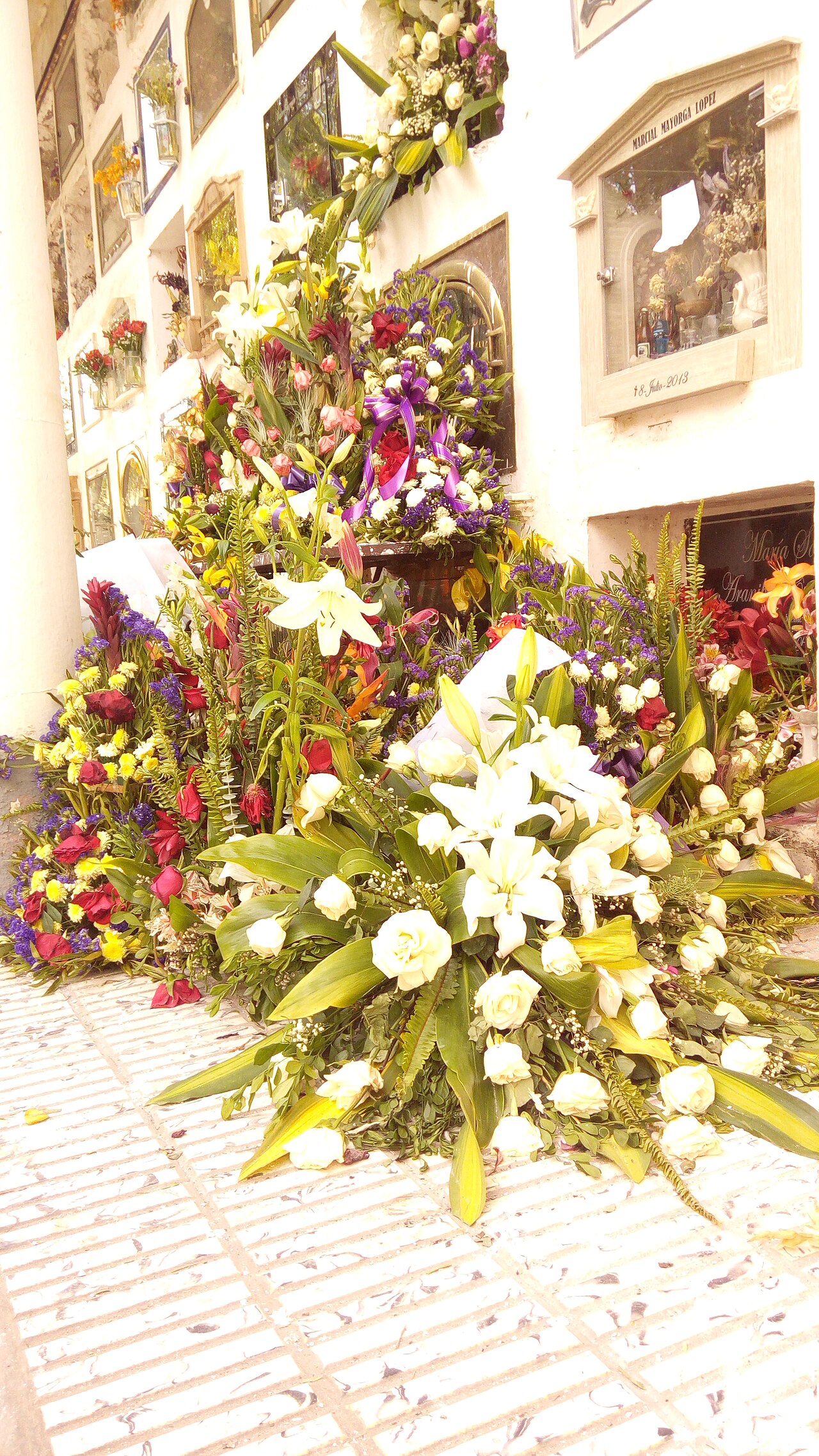
Every year, the week before All Saints, my iaia Pepa goes to clean my grandfather's niche. This year she didn't ask whether I could come; she phoned on Sunday night and said, "Tomorrow at four, bring a cloth." She hung up before I could answer. It's how she asks for the things that matter.
Yesterday I left the music school at half past three, dropped my violin case at my iaia's place on calle de la Reina, and we walked to the Cabanyal cemetery, she with the blue plastic bucket, I with the cloth, an old toothbrush she'd brought from home and a bag with two empty glass jars.
The ladder
My grandfather's niche is on the fourth row. To reach it you have to climb an aluminium ladder the cemetery leaves leaning against the wall for anyone who needs it, and which wobbles more than anyone would like. My iaia, who is eighty-four, looked at it, looked at me and said, "I'll hold it." So I climbed, bucket hooked over one arm, and she stayed below gripping both sides with a strength I don't know where she gets, saying "Careful" every three rungs even though I hadn't done anything.
Up there is a marble plaque with his name, two dates and a line my iaia chose and my mother thought too short. It was covered in the grey dust that sticks when it rains too little. I rubbed it with the wet cloth, then with the toothbrush in the letters, one by one, as if I could hurt them. There's a moment, while you're cleaning the S of a surname that is also mine, when you stop thinking about anything. It's odd. It's almost a rest.
The carnations
While I cleaned, my iaia took the carnations out of the bag. She always buys them at the same stall by the gate, deep red, and always complains about the price, which this year was seven euros a bunch: "For this they used to give you a flowerpot." She washed the jars at the tap with a surgeon's care, changed the water three times and placed the flowers one by one, measuring each stem against her hand so none stuck out.
I passed her the jars from the ladder. Halfway through, a carnation in each hand, she said without looking at me: "Your grandfather hated coming here. He said cemeteries were for the living with too much time." She was quiet for a second. "And look, now I do have time."
At the next niche a woman my age was also changing flowers. We nodded at each other the way people do who meet once a year on the same ladder. My iaia says she's known her for three All Saints now and has never asked her name, and that this is also a kind of friendship.
The fritters
On the way out we bought a bag of pumpkin fritters from the bakery on the corner, hot, the sugar sticking to the paper. We ate them on a bench on the avenue, watching the cars go by, she with her hands still wet from the bucket. She told me how they met at the dance at the Casino del Cabanyal, where my grandfather trod on feet more than he danced, and said she'll spend the first of November at my mother's, eating panellets, because this year she has done her bit.
I rode home on the bike, which now brakes on both wheels, in no hurry, along the Malvarrosa promenade. I reached Russafa with my hands smelling of washing-up liquid and carnations, and didn't wash them until dinner.
Keep reading
An hour on the balcony
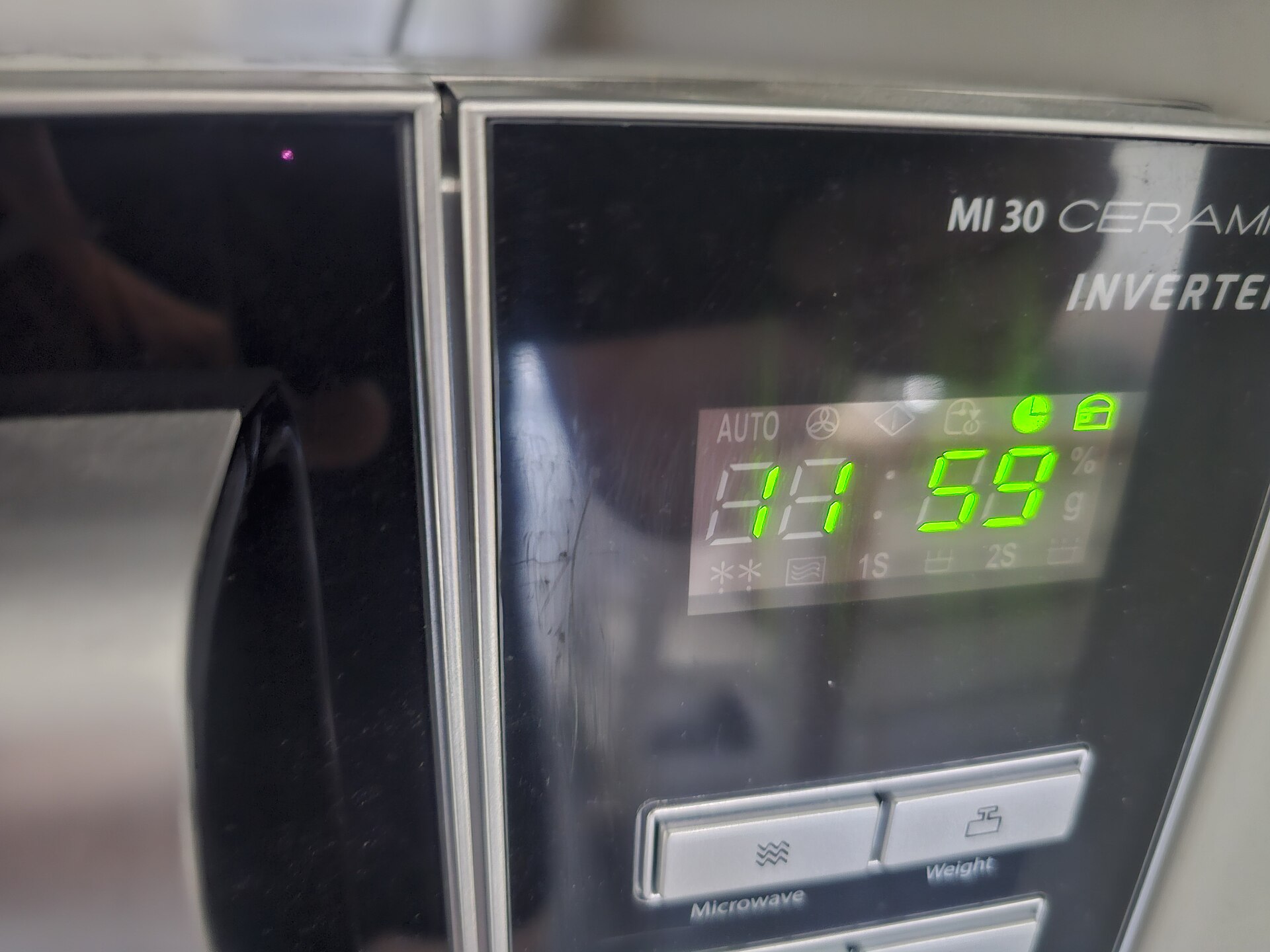
On Sunday the clocks went back and I was handed sixty minutes I didn't know where to put. A lying oven, a dim balcony and one whole hour with nobody expecting me.
A Soundpost Called the Soul
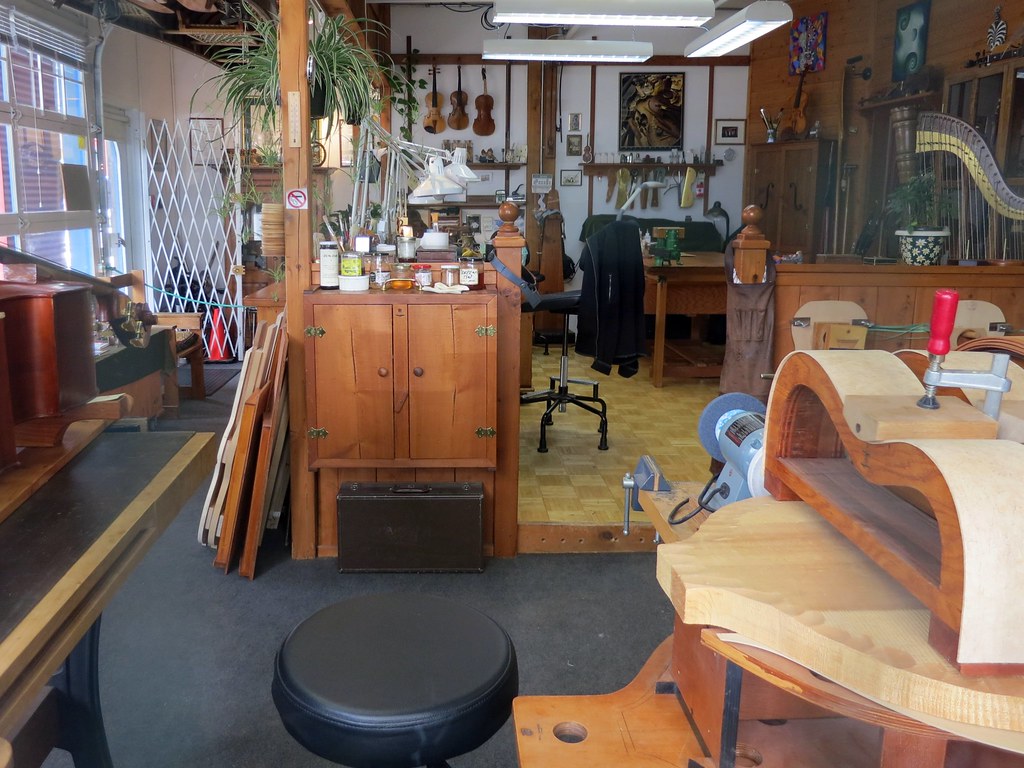
A rainy afternoon, a violin that suddenly sounded like it was wearing a sock, two days without it and an old conservatory classmate who now fixes them in El Carmen.

Marta's aunt's oranges
The first box of oranges from Carlet arrived, leaves and all, along with an old house ritual: nobody buys them, nobody thanks her by message and nobody lets them rot.