family · cabanyal · traditions
My grandmother's mocadorà
The 9th of October, a silk handkerchief full of marzipan fruit, a bike with no back brake and the custom my grandfather never once skipped.
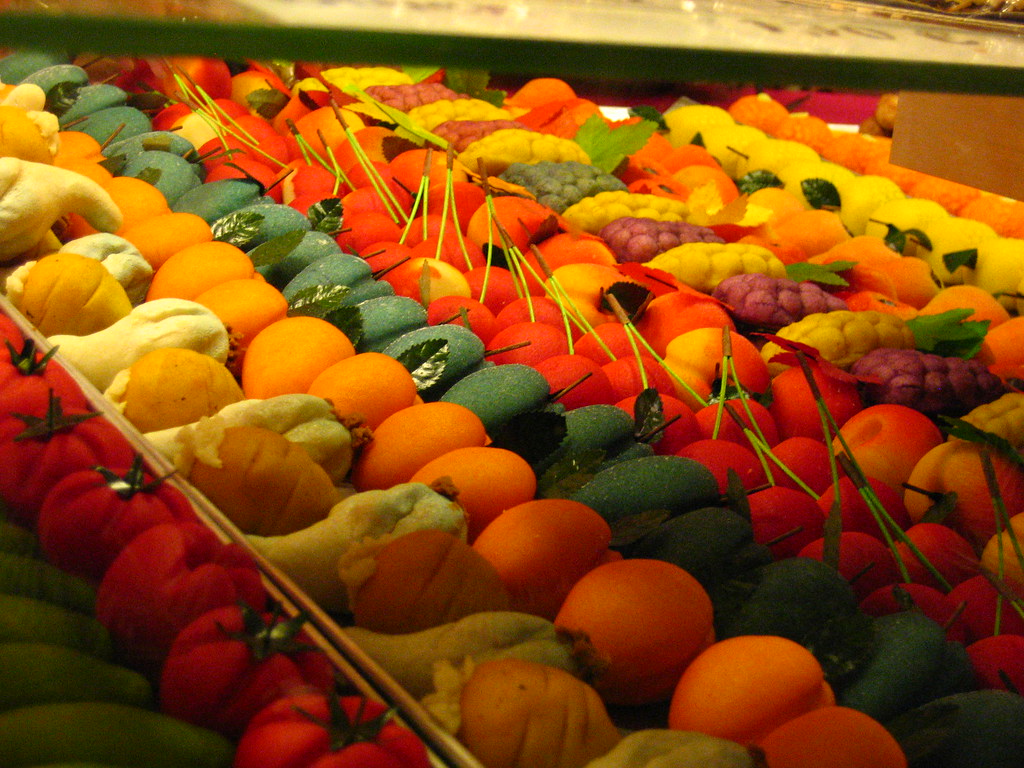
The 9th of October is a holiday in Valencia. It marks the day Jaume I rode into the city in 1238, so there's a parade with the Senyera flag through the centre, fireworks, speeches and people hanging flags off their balconies. But in my family the 9th of October has always meant something else: the day my grandfather gave my iaia, my grandmother, a mocadorà.
If you're not from here: a mocadorà is a handkerchief, usually silk or embroidered cotton, tied up by its four corners and filled with little marzipan figures shaped like fruit and vegetables. Pears, oranges, bananas, a watermelon the size of a walnut, shiny red peppers. And two pieces that can never be missing: the piuleta and the tronador, two long marzipan sweets shaped like firecrackers, because the story goes that rockets were set off when Jaume I entered the city. It's Valencia's own Valentine's Day, Saint Denis's day, and it's much better than Valentine's because you can eat it.
Fifty-one handkerchiefs
My grandfather gave my iaia Pepa a mocadorà every single year from the time they were courting. Fifty-one years in a row, one of them from a hospital bed, with the handkerchief bought by my mother and the card written by him in shaky handwriting. My iaia keeps all the handkerchiefs in the bottom drawer of the sideboard, folded, smelling of old marzipan and mothballs. The early ones are fine cotton with flowers. The ones from the eighties are in colours I can't really describe.
Since he died, three years ago, I'm the one who brings the mocadorà. Nobody decided it. On the first 9th of October without him, my mother was at work, my uncle was in Germany, and I walked past a cake shop in Russafa with its window full of handkerchiefs and coloured fruit and stopped dead on the pavement as if someone had called my name. I went in. I spent thirty-two euros, which that month was a fortune. It's been mine ever since.
No back brake
This year I bought it on Thursday afternoon, after teaching, at the same cake shop on Calle Sueca. The woman behind the counter knows me by now and asks "The usual, for your iaia?" as if I were an old lady with habits. A blue handkerchief with little birds, eight fruits, the piuleta and the tronador. She wrapped it in tissue paper and handed it over with both hands, like a baby.
On Friday, the 9th, I cycled to the Cabanyal with the mocadorà in the front basket, wrapped in a tote bag as well, just in case. The problem is that the back brake still doesn't work. It's been on my to-do list since the summer, on a Post-it on the fridge that Marta has started marking in red pen, like an exam. So I rode the whole way braking with the front one only, very slowly, my hand clenched, terrified that at some traffic light the bike would flip up on its nose and the marzipan would go flying down Avenida del Puerto. It took me twice as long. I arrived with my right forearm numb.
You don't eat the pears
My iaia lives on Calle de la Reina, in the single-storey house with the green-tiled front where my mother was born. She's eighty-four, hears less than she lets on and more than we think, and always opens the door before you knock, because she recognises the sound of my bike on the cobbles.
She opened the handkerchief on the oilcloth on the kitchen table, slowly, undoing the knots with fingers that don't move as fast as they used to. She looked at the fruits one by one. She picked up the pear, turned it round to inspect the back and said, the same as every year: "They made this one in a hurry." I don't know what she sees in the pears. To me they all look the same.
Then she asked about the violin, about Marta, whether I was eating properly, whether I had a boyfriend. To the last one I said no and she answered "Millor", better, which is what she says every time and I still don't know if it's a joke. We had milky coffee and Maria biscuits dunked in it, because the marzipan fruit isn't eaten on the day. That's the house rule. They go on a plate on top of the sideboard and get looked at for a week. Then they're eaten a little at a time. The piuleta and the tronador last.
As I was leaving, she opened the bottom drawer of the sideboard to put away last year's empty handkerchief, which was still lying on the table, and I saw it: the pile of folded handkerchiefs, fifty-one of his and three of mine on top, like layers of soil. You can tell which are mine. They're cheerier. My grandfather, it turns out, had terrible taste and perfect timing.
The next day I played a wedding in Sagunto and, in case anyone's wondering, the bow shook, but only a little. Maybe I'll write about that another day.
Today, Tuesday, I went down Calle de la Reina again on my way to the cinema, and through the window I could see the plate on the sideboard. The orange and the watermelon were gone. The pear was still there, on its own, with its hurry.
Keep reading
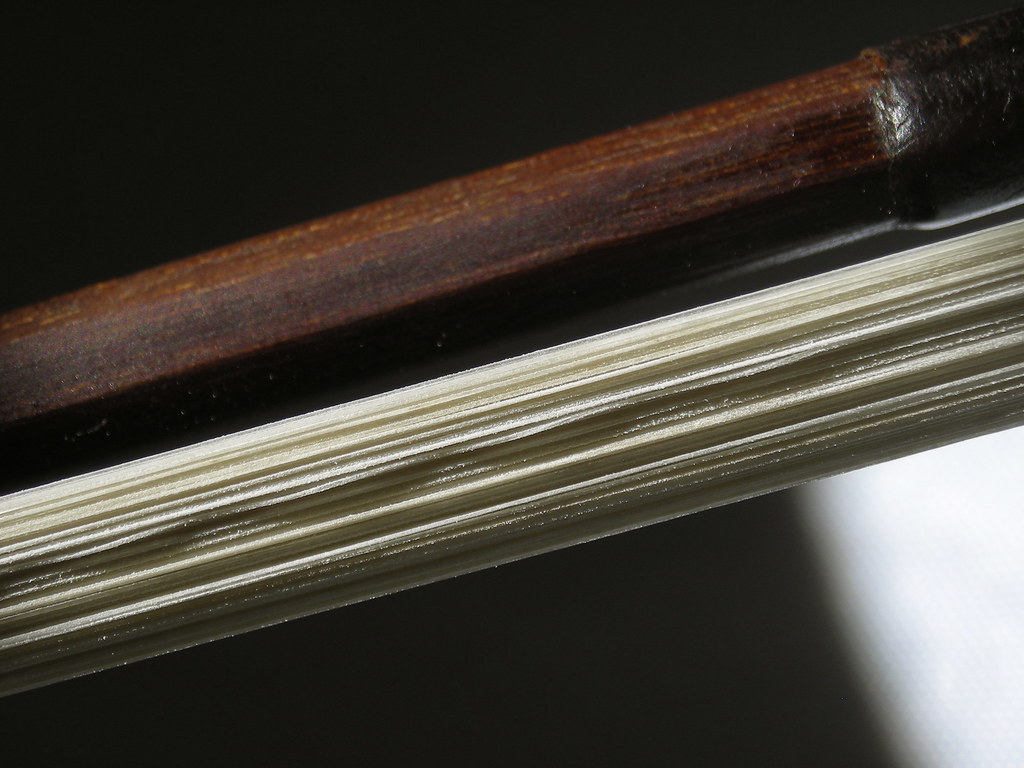
What Nil asked me
A nine-year-old student, a school recital and a question about stage fright that I couldn't bring myself to answer with a lie.
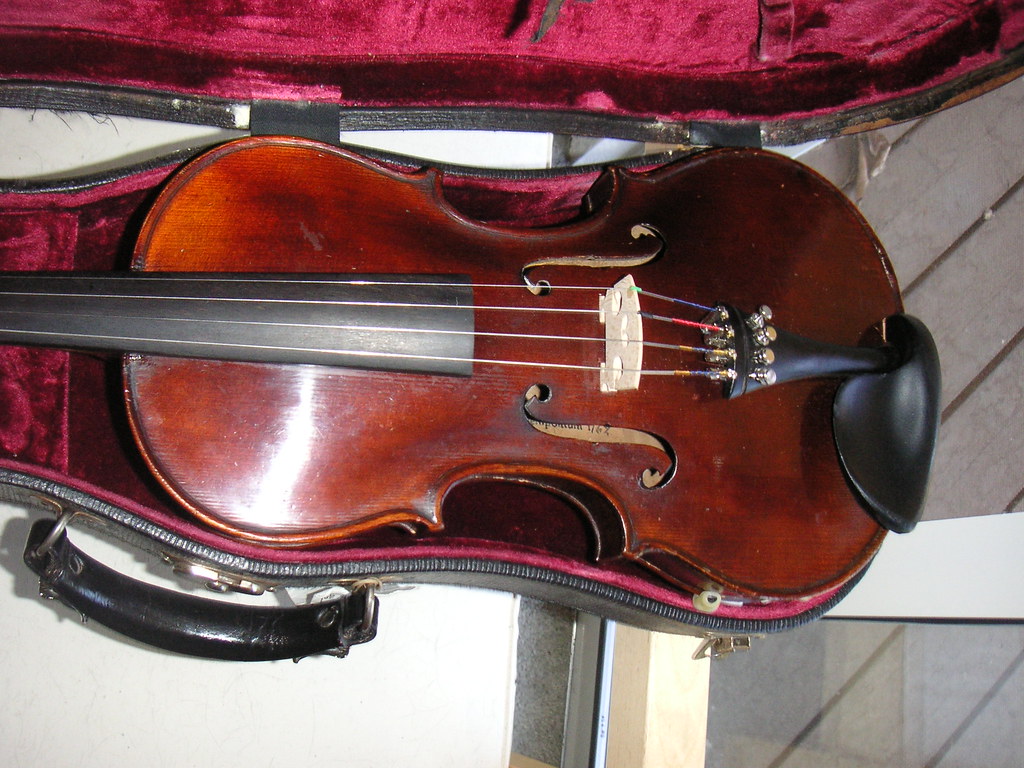
The wedding of the broken string
Thirty-eight degrees at a farmhouse near Llíria, eleven Pachelbel Canons in a row, an E string snapping at the worst moment and an uncle who wanted a party anthem.

Fallas from the balcony
Five days of firecrackers, pumpkin fritters and a bike trapped in the hallway. And the cremà, which makes me cry every year even though I say I don't like Fallas.