quartet · lottery · bike
A lottery ticket from Puçol
The quartet has one rule for the Christmas lottery: the ticket is bought in the town of the year's last wedding. This year that was Puçol, and it was my turn.
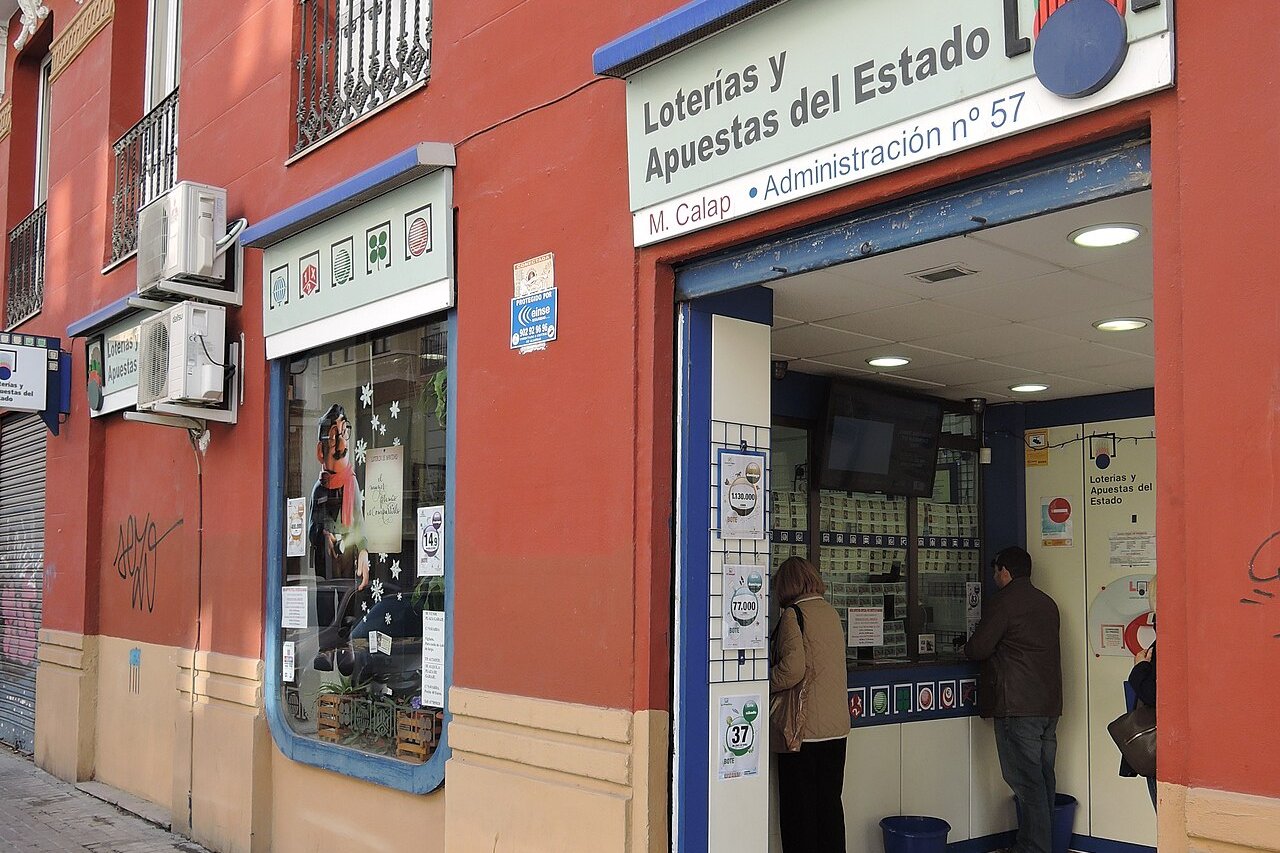
The quartet doesn't have many written rules, and nearly all of them are Laia's: no cash in hand, no Paquito el chocolatero, nobody leaves a wedding before the first dance. Then there's one that belongs to nobody, which we keep more carefully than all the others. The Christmas lottery ticket, the décimo, is bought in the town where we played the last wedding of the year. Just one, split four ways, five euros each. We started in 2022 in Sueca, because Sergio decided that a lottery shop with a cat asleep in the window had to be lucky. We won nothing. In 2023 it was Alzira, in 2024 Bétera, last year Xàtiva. Nothing either, except once when we got our twenty euros back and spent them on horchata.
Someone different goes each year, in turn. This year it was me, and the last wedding was in Puçol.
Maruja's funeral in Patraix came afterwards, and there was a short debate in the group chat about whether it counted. Laia settled it with a four-second voice note: "Funerals don't count." Toni replied with a thumbs-up. Sergio wrote "thank god", and I'm still not entirely sure what he meant.
Twenty kilometres through the huerta
I don't teach on Wednesday mornings, so I set off at nine on the bike, in my grandmother's coat buttoned up to the chin, with a banana in my pocket. Tomorrow my bow goes in to have its hair replaced, and today there was nothing to practise that couldn't wait. That's what I told myself, anyway.
You can get to Puçol by train in twenty minutes, but that would have been cheating. Laia went to Xàtiva by train, mind you, and I still hold it against her. I rode up through Benimaclet and out into the huerta at Alboraia, along the track that runs between old farmhouses and tiger-nut fields already harvested, the earth turned over and dark, smelling wet although it hasn't rained. It was fourteen degrees with a bit of headwind, the kind you don't notice until you stop and discover you're wearing someone else's ears.
In Meliana a man of about eighty overtook me on an old town bike with a crate of fruit strapped to the back. He said "bon dia" as he went past and carried on at a speed that wasn't reasonable. I never saw him again. It took me an hour and ten minutes, including a stop on a little bridge over an irrigation channel to eat the banana and watch the water go by, which wasn't in a hurry to get anywhere.
The shop on the square
There are two lottery shops in Puçol. I didn't know that, and walked into the first one I saw, next to the church, because the shutters were half up and there was a queue of three people, and a queue at a lottery shop in November always feels like a clue. Inside it smelled of paper and vending-machine coffee. The woman behind the counter was about my mother's age, with short grey hair and glasses hanging from a beaded chain, which she put on and took off for every customer, like someone opening and closing a window.
Ahead of me, a woman bought ten tickets with the same number for her husband's club. A man asked for "one ending in thirteen", and the lottery woman told him nobody ever asks for thirteen, which was exactly why she could give him one. He stood thinking about it for a long time and in the end he took it.
When it was my turn I told her the truth, which is what I do when I can't think of anything else: that we're a string quartet, that we played a wedding at the restaurant on the main road in October, that we have a tradition and I'd cycled from Valencia. She looked at the case, which of course was on my back because I have lessons in the afternoon, and then she looked at me.
"The Hallelujah ones?" she said.
Her niece had been at that wedding. She'd sent her a video of the Handel with appalling sound, filmed from table eight, and she'd forwarded it to the whole family group because she liked it. It took me a moment to understand she was talking about us. Knowing that people film you on their phones is not the same as meeting someone who's watched it, in a lottery shop twenty kilometres from home.
The number
You have to choose a number, and the quartet has no rule for that. I asked her to pick one for me. She said she never did that, because then people blame you, and straight away she opened a drawer, flicked through the tickets with her thumb the way you look for a score in a folder, and pulled one out. It ends in 76. She couldn't have known, but that's the Haydn number, Opus 76, the one we played one Monday night in Toni's place for nobody.
I paid the twenty euros with a note I'd folded in four before leaving home. She put the ticket in a little envelope with the shop's name on it and told me not to keep it in my wallet, because things get lost in wallets. "Put it somewhere you look every day."
I came back by train, which on the way home doesn't count as cheating, with the bike in the carriage and very tired legs. I sent the group a photo of the ticket on my knee. Laia replied that 76 seemed like a serious number. Toni sent another thumbs-up.
Tonight, before dinner, I opened the case to get the bow ready for Jordi. Tomorrow it stays at his workshop until Monday, and the case will be left with a long empty gap in the lid, where the bows clip in. I slid the envelope in there, between the two clips, on the velvet. It's the place I look every day.
Keep reading

Just the ends
A Tuesday at Amparo's salon on Calle de Cádiz, with my violin bow shedding hairs in its case and a remark about redheads I wasn't expecting.

Reading: Nada
Three books abandoned on page twelve, a library card expired since 2017 and a librarian in a cardigan who prescribed me a novel with a catch.
The hotel mute
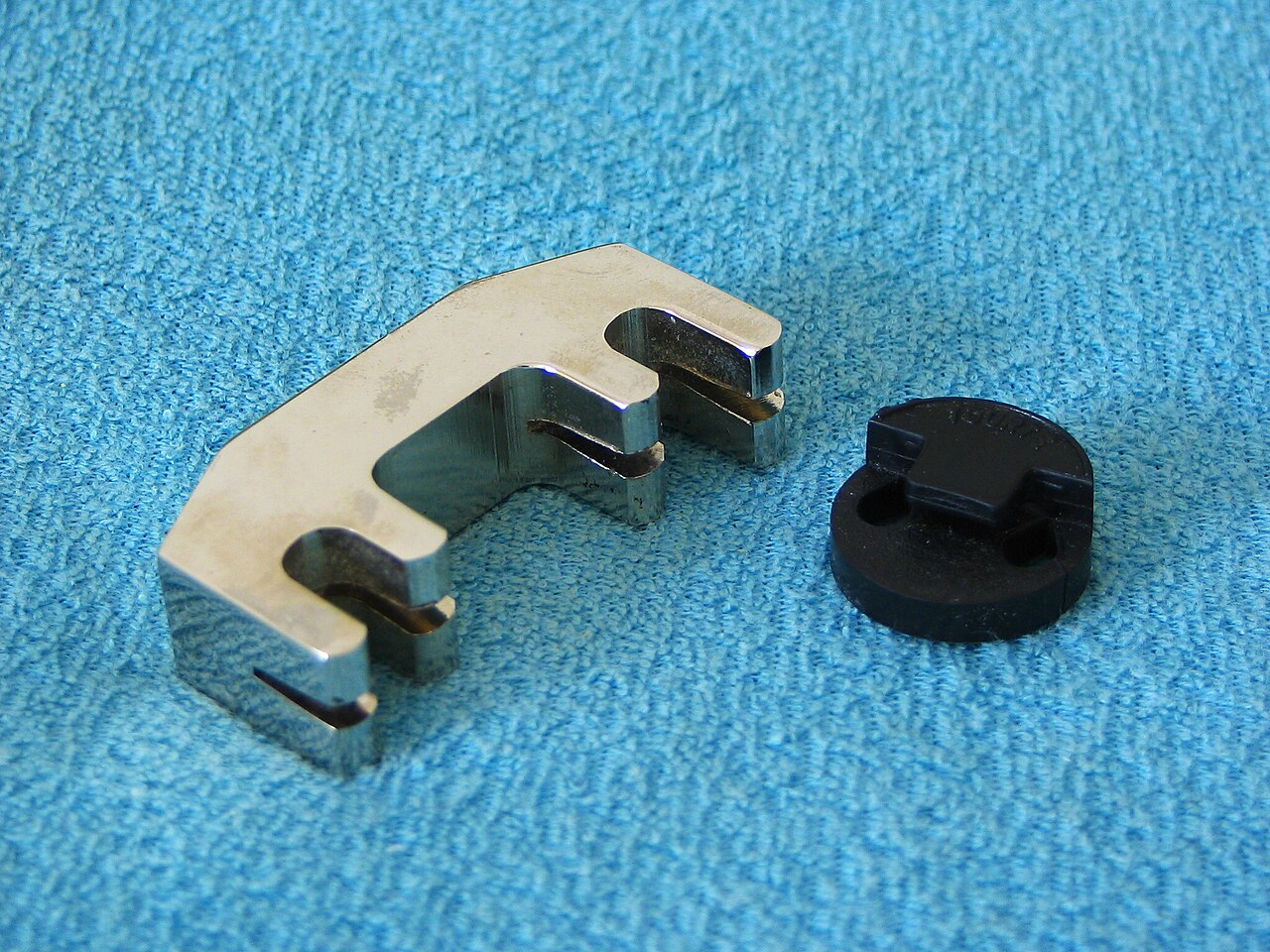
A note under the door from the new neighbours on the second floor, a four-month-old baby and an eleven-euro rubber mute that didn't do what I thought it would.