russafa · christmas · neighbourhood
The light bulbs on Calle Cuba
A Friday without my bow, I went out for coffee and ended up in the middle of Calle Cuba waving at an electrician in a cherry picker. One dead bulb and a three-minute test.

Marta finished the coffee yesterday and left the empty packet on the counter, folded very carefully, as if that might make it look like there was still some left. This morning I opened it twice before I believed it. I don't teach on Fridays, and today I don't have a bow either, because it's still at Jordi's workshop until Monday, so there was no excuse not to go out. I put my grandmother's coat on over my pyjamas, carried the bike down the stairs and headed for the little grocer's on Calle Cuba, which opens at half past nine and sells a Colombian coffee you can smell through the sealed bag.
I never got there. At the corner of Literato Azorín the street was closed off with two yellow barriers, and in the middle stood a truck with its basket raised to second-floor height. In the basket, a young guy in a helmet with a coil of cable over his shoulder. Down below, leaning against the truck, a man of about sixty in a hi-vis vest, with a small radio clipped to his belt giving the weather for Castelló.
The arches
They were hanging the Christmas arches. They use the same iron frames as in March, for the Fallas lights that turn up in every photo, but dressed differently: fewer bulbs, whiter ones, no music. At ten in the morning, switched off, they look like a giant's washing hung out to dry. Black cables dangling, bunches of bulbs with their plastic heads pointing at the ground, electrical tape everywhere.
I got off the bike to walk along the pavement, and the man looked at the case I wasn't carrying. Well, he looked at my back, where the case usually is, and then at my face. He said he knew me, that I was the violin girl who rides down Calle de Sueca at eight. I said yes. He said he'd never heard me play, but he'd heard me brake: it used to squeal and now it doesn't. It was true. The new brake is a month old and it still makes me happy.
His name is Vicent. He's been hanging lights in Russafa for thirty-one years, the Fallas ones and the Christmas ones. He says Fallas is a different story, because during Fallas the whole neighbourhood watches you from their balconies and tells you how to do it. In November nobody watches. He said "nobody" and then looked at me, and we both laughed.
One bulb
The guy in the basket, whose name is Yeray and who never came down the whole time, shouted that the third arch wouldn't light. Vicent sighed the way Remei sighs when a kid says he left his book in his dad's car. He explained that these strings are all wired in a row, so if one bulb dies the whole section goes dark, and there's no way of knowing which one it is except by checking them one by one.
Then he asked me if I was in a hurry.
I wasn't. So for twenty minutes I stood in the middle of Calle Cuba, in my grandmother's coat over checked pyjamas, holding the bike with one hand and raising the other every time Vicent shouted "And now?" from the fuse box. Yeray changed bulbs up there one at a time, like someone hunting for the out-of-tune note in a chord by playing the four strings separately. The women from the first floor came out on their balcony. A delivery rider waited behind the barrier with his engine running. A man with a dog asked me if I worked for the council.
On the twelfth bulb, the arch came on. Just the third one, in broad daylight, white, almost invisible against the sky. I shouted "Now!" in a voice I didn't recognise, and the women on the first floor clapped, twice, and went back inside.
Yeray dropped the bad bulb from the basket and Vicent caught it without looking, left-handed, the hand with the watch. He gave it to me. It's tiny, like a glass olive, with a broken filament inside that wobbles when you shake it. "So you remember you did a day's work," he said.
Three minutes
I did buy the coffee in the end. Marta smelled it from the sofa before I'd even shut the door. I told her about the arches and she asked if they were switching them on tonight, and I said no, Vicent said nothing until the end of the month, but there was a test at seven.
At five to seven we both went down. Her in her puffer jacket over her pyjamas, me in my grandmother's coat over mine, which by now is my Friday uniform. On the corner of Cuba there were more people than I expected: the man with the dog, a couple with a pram, two teenagers with their phones ready, the chestnut lady whose cart is two streets down, looking up in her flowery oven gloves.
Nobody gave a signal. Suddenly the whole street lit up at once, end to end, white and gold, every arch at the same time, and there was a sound I can't really describe. It isn't a sound, it's everyone breathing in at the same moment. The third arch too. It was the first one I looked for.
It lasted three minutes. Then it went off the same way, all at once, and the street was darker than before, the way it always is. Marta took my arm and we went back up without a word, counting the stairs.
The dead bulb is on my bedside table now, next to "Nada", propped against the library slip that says 27 November so it doesn't roll off. If I hold it up to the lamp, the broken filament throws a shadow on the wall shaped like an S. Like the school's loan bow, seen from the tip.
Keep reading

A Thursday without a bow
I left my bow at Jordi's workshop to be rehaired and taught five lessons without it. A loan bow held together with electrical tape, twenty plucking fingers and a question from Nil.
A lottery ticket from Puçol
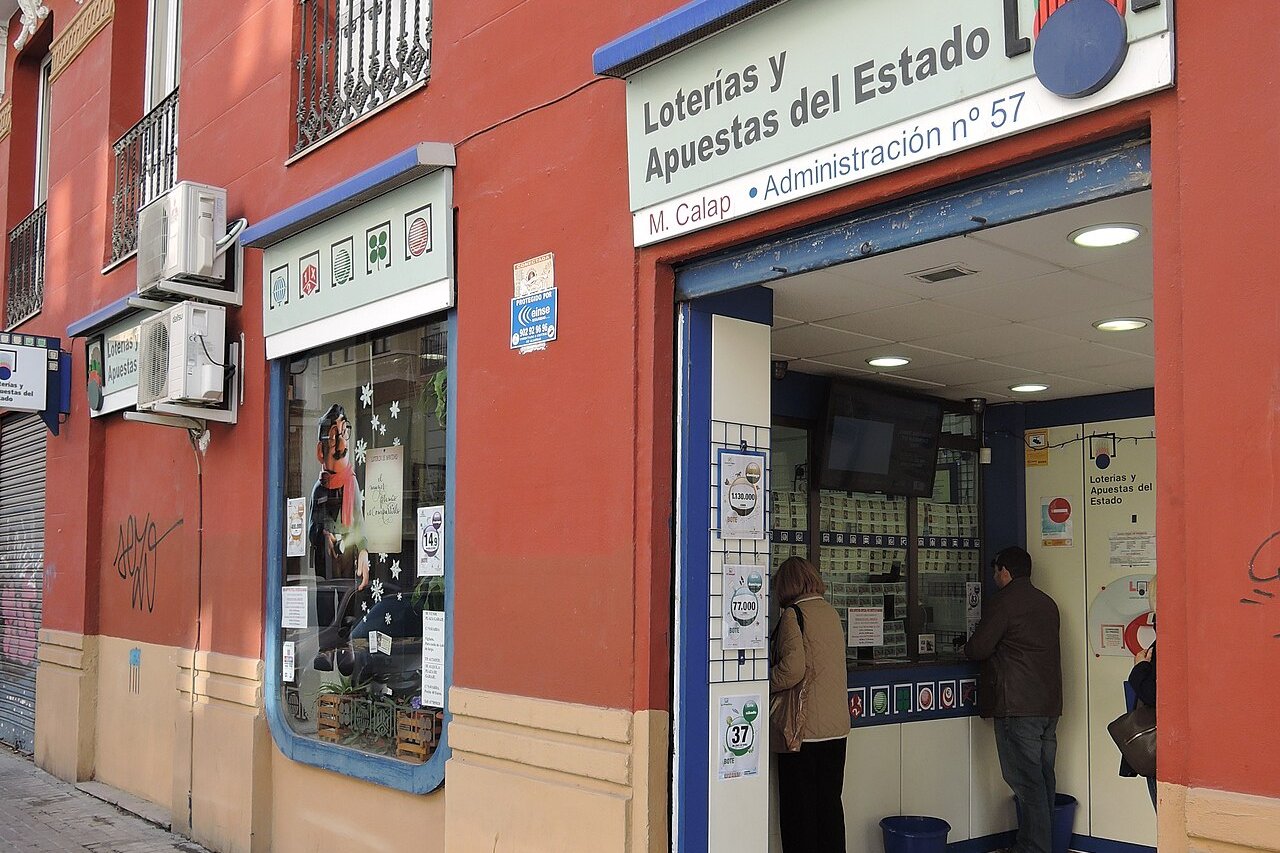
The quartet has one rule for the Christmas lottery: the ticket is bought in the town of the year's last wedding. This year that was Puçol, and it was my turn.

Just the ends
A Tuesday at Amparo's salon on Calle de Cádiz, with my violin bow shedding hairs in its case and a remark about redheads I wasn't expecting.