quartet · funeral · copla
Green Eyes for Maruja
Wedding season was over, but on Saturday the quartet played a funeral in Patraix. The deceased had asked for it, copla and all, a year and a half earlier.
On Thursday night, when I was already in my pyjamas, Laia sent a message to the quartet group. It said: "Saturday 11:00. Funeral in Patraix. She asked for us." And then, a minute later, the way she always does when it's serious: "Black shirts."
We'd called the season over. Since the Haydn night in Toni's ground-floor flat we'd only met up for Op. 76 and for dinner, and I'd started using the wedding case to store old strings. But funerals don't have a season. Everyone knows that except me, apparently.
What she asked for
Her name was Maruja and she was eighty-eight. We met her in May last year, at her granddaughter's wedding, in a country house near Bétera. She was the tiny lady in the front row with a mother-of-pearl fan and a lavender dress, and during the drinks she came over with a glass of vermouth in her hand and asked us for "Ojos verdes". The copla. The Concha Piquer one.
We didn't have it. Laia explained very politely that it wasn't in our repertoire, the way she explains everything to everyone. Maruja didn't get cross like the uncle who wanted "Paquito el chocolatero". She asked for a card, tucked it into her bra and said: "Then you can learn it for my funeral."
We laughed. Everybody laughed. Toni made a joke about funeral rates that I'm not going to repeat.
On Thursday her son Paco rang. The card was in a notebook, in her bedside drawer, under a list written in biro of what she did and didn't want for when she died. No plastic flowers. No long mass. She wanted "the girls and boys with the violins from Raquel's wedding", and she wanted "Ojos verdes".
Friday, in the ground floor
The sheet music didn't exist, so Toni made it. On Friday, after my classes, we met in his place in Benimaclet with the copla playing on Laia's phone, an old recording that crackled as if someone were frying something in the background. Toni wrote it out by hand on manuscript paper, leaning on his grandmother's shop counter and stopping the recording every two bars, while Sergio called out the chords like someone calling bingo numbers.
I got the voice. The whole melody, on first violin, no words, with everyone else quiet and listening to me. In other words, the usual.
We rehearsed until eleven. By the third time Sergio was humming it, by the fifth Laia knew all the words, and by the sixth Toni said that if anyone at a wedding ever asked for Paquito again he'd hit back with this.
Nobody looks at you
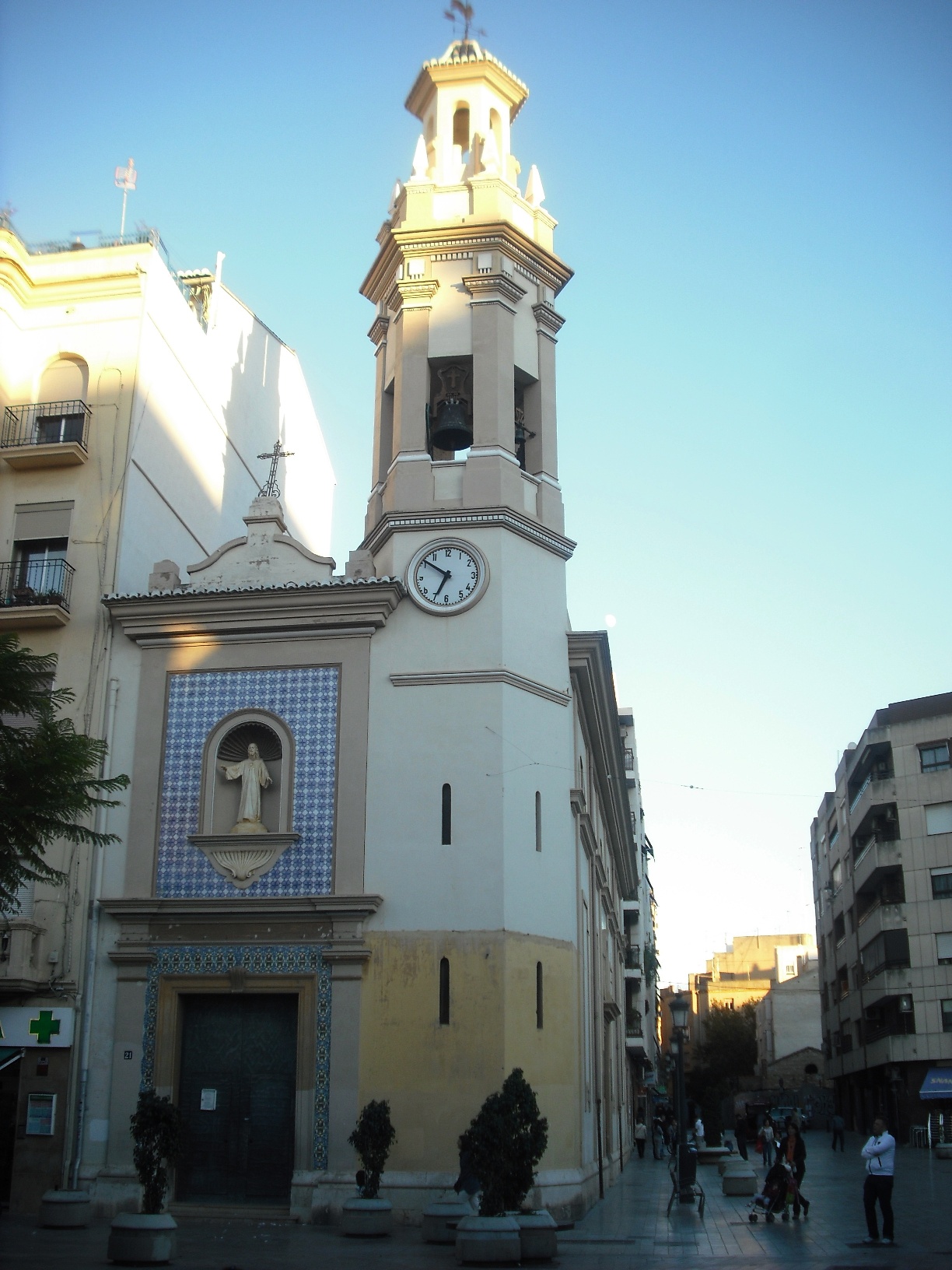
The parish church in Patraix has a front of blue tiles and a clock tower, and inside it is cold, with dark wooden pews and an echo that makes a cough in the back row sound at the altar. We got there at half past ten and they put us at the side, next to a chapel with the electric candles you light with a coin. There were about fifty people. Mostly ladies in coats. A few had the same mother-of-pearl fan, closed in their hands, though it was fourteen degrees inside.
We played Bach's Air for the entrance and an adagio during communion. And something happened that has never once happened to me at a wedding: my hands weren't cold.
I've been thinking about it since Saturday. At a wedding everyone looks at you. They film you, they stand in front of you to take a photo with the quartet in the background, the planner signals at you with her earpiece. At a funeral nobody looks at you. People look at the floor, or at the coffin, or at the back of the head in front of them. The music isn't there to be listened to, it's there so there's no silence. And it turns out my fear needs an audience. Without one, it gets bored and leaves.
Green eyes
The priest had said the copla could go at the end, outside the mass. So when the undertakers lifted the coffin and started walking towards the door, Toni gave the cue with a nod and I began.
The first notes sounded lonely and a bit bare in that cold church. Then the other three came in underneath, and in the fourth phrase I heard something that wasn't coming from us. A lady in the third pew was singing. Very softly, barely any voice, the bit about eyes "green as basil". Then another one. Then, at the back, a man. Nobody sang loud and nobody sang all of it: each of them knew a different scrap and let it go when it came round, like someone leaving a flower in passing.
The coffin went out through the big doors into the light of the street as we finished. Paco walked behind it in a suit too wide in the shoulders, holding his mother's notebook.
Outside, while Laia took the envelope and Toni loaded the cello into the van, one of the ladies with a fan came up to me. She took my hand, the bow hand, and squeezed it between both of hers, which were colder than mine. I asked if she was family. She said no, a neighbour, for her whole life, same stairwell.
Then she leaned in a little closer, the way you tell a secret in church.
"Hers were brown, you know. Like coffee. But she didn't care."
Keep reading

Open strings at seventy
Remei handed me a pupil nobody else wanted: Salvador, seventy, a retired tram driver with an eighty-nine-euro violin and a granddaughter in Castelló.

Wooden pegs
Now that it's cold, nothing dries in the kitchen gallery, so I went up to the roof terrace for the first time in months. Up there, Amparo, the west wind and some wooden pegs from 1960 are in charge.
Fina's cardboard signs
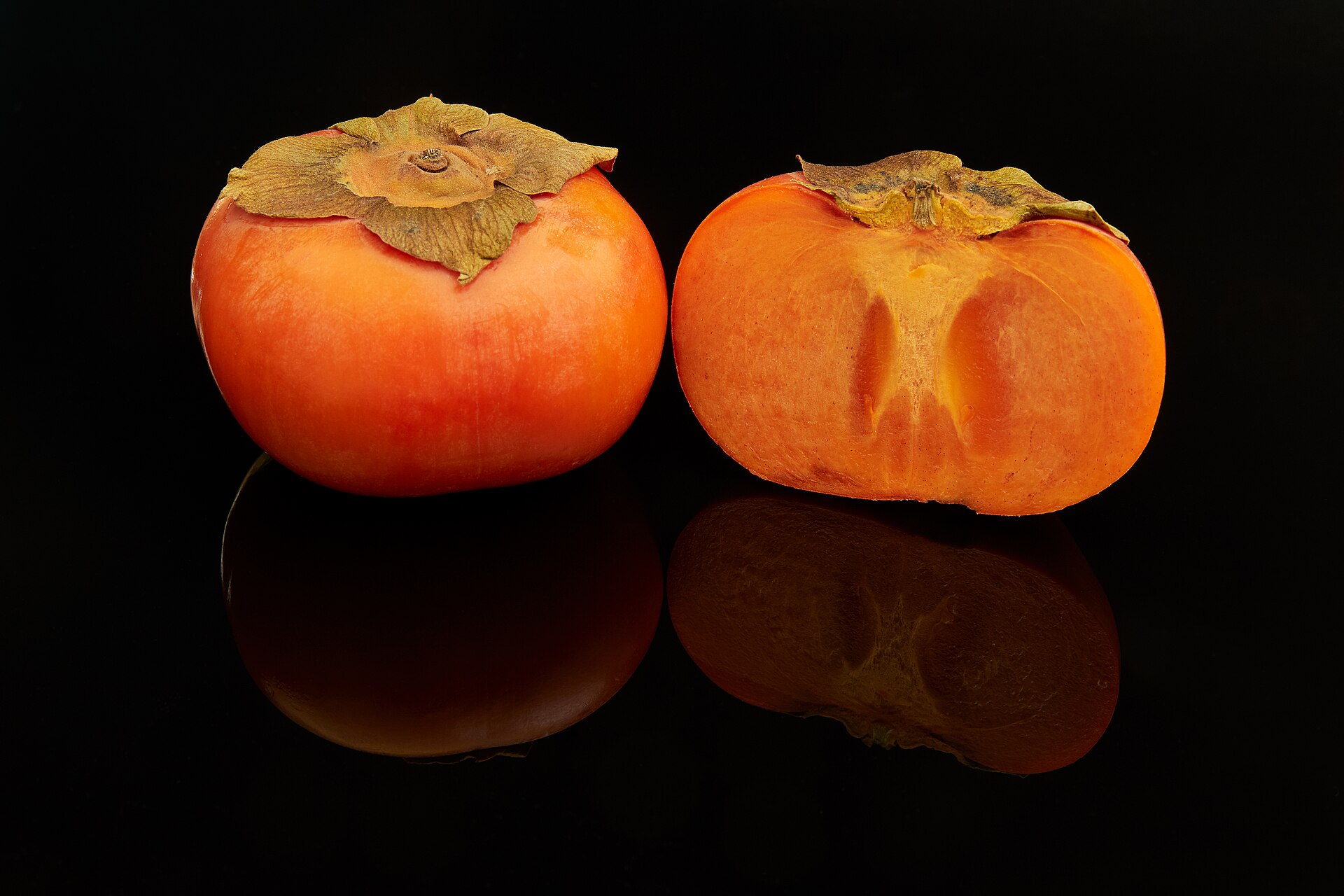
A Thursday at eight in Russafa market: the fruit seller who writes her prices on cardboard, persimmons I can't choose and news that wasn't on any sign.