bow · workshop · monday
The bow comes back voiceless
On Monday I picked up my bow from Jordi's workshop with brand-new hair, white as a toothbrush, and it took an hour of rosin to get it to say anything.

Jordi handed me the bow in a paper bag from a bakery, the kind they put baguettes in, with the top folded over. It's his way of telling you to treat it like bread. He took it out with both hands, tightened it a little with the screw and laid it in my palm, which I closed the way you close your hand around a bird.
It didn't look like my bow. The hair was a white that was almost embarrassing, stiff and even, like the toothbrush of someone who brushes three times a day. The one he took away two weeks ago was yellowish and slack, with a few loose hairs that snagged on my fingers. "I've left it like new," Jordi said, proudly, and I nodded without telling him it made me a little sad.
No grip
What nobody tells you about new hair is that it doesn't sound. I rested it on the A string right there in the workshop, between two unvarnished cellos and a smell of hot glue, and drew it across as carefully as I could. Out came a whisper. A breath, like when you go "shh" in someone's ear. I tried the D, the G, the E. Nothing: the bow slid over the strings without catching them, like a very thin skater on ice.
Jordi laughed at my face. He told me the horsehair has no memory yet, that you have to give it one, and he held out the block of rosin from his bench, one of his own, dark honey-coloured, shaped like a flattened teardrop.
So I spent the next hour standing by the window, drawing the bow over the rosin, tip to heel and back, with a patience I don't know where I find on Mondays. Every pass sent up a pale dust that hung in the afternoon sun, and I kept stopping to try a note. A bit more sound. More rosin. More sound. It felt like feeding it.
The long note
After a long hour Jordi stopped sanding whatever he was sanding and said: "Play." I played an open G, a long note, no vibrato, the kind that makes the bow shake. And it sounded. Not well: too rough, too new, like a voice just out of a cold. But it sounded whole from start to finish, and in the last third, where the bow usually trembles, it didn't.
Jordi said nothing. He gave a single downward nod of the chin and went back to his sandpaper. I handed him the money in an envelope and he dropped it in a drawer without counting it.
The Puçol ticket
I got to school at quarter past four with a rosin stain on my coat, chest height, which Remei pointed out at the door. "That's bow dust," she said, "I know it well," and walked on by. At five Carla came, she's eight, and asked if the bow was new. I told her it was the same one with new hair. She asked if it remembered her. I said bows have a terrible memory, but that this one would learn her in no time.
I came home along Calle Sueca with the case carrying its usual hundred grams again. Marta looked at the open case, the bow back in its place and the Puçol lottery ticket beside it, and said it was starting to look like a family. I turned off the hallway light and played, very softly so as not to wake the baby on the second floor, a single open string, until I ran out of bow.
There's still a little white dust on the violin's top, under the bridge, where it fell. I'll wipe it off with the cloth tomorrow. Or the day after.
Keep reading

The light bulbs on Calle Cuba
A Friday without my bow, I went out for coffee and ended up in the middle of Calle Cuba waving at an electrician in a cherry picker. One dead bulb and a three-minute test.

A Thursday without a bow
I left my bow at Jordi's workshop to be rehaired and taught five lessons without it. A loan bow held together with electrical tape, twenty plucking fingers and a question from Nil.
A lottery ticket from Puçol
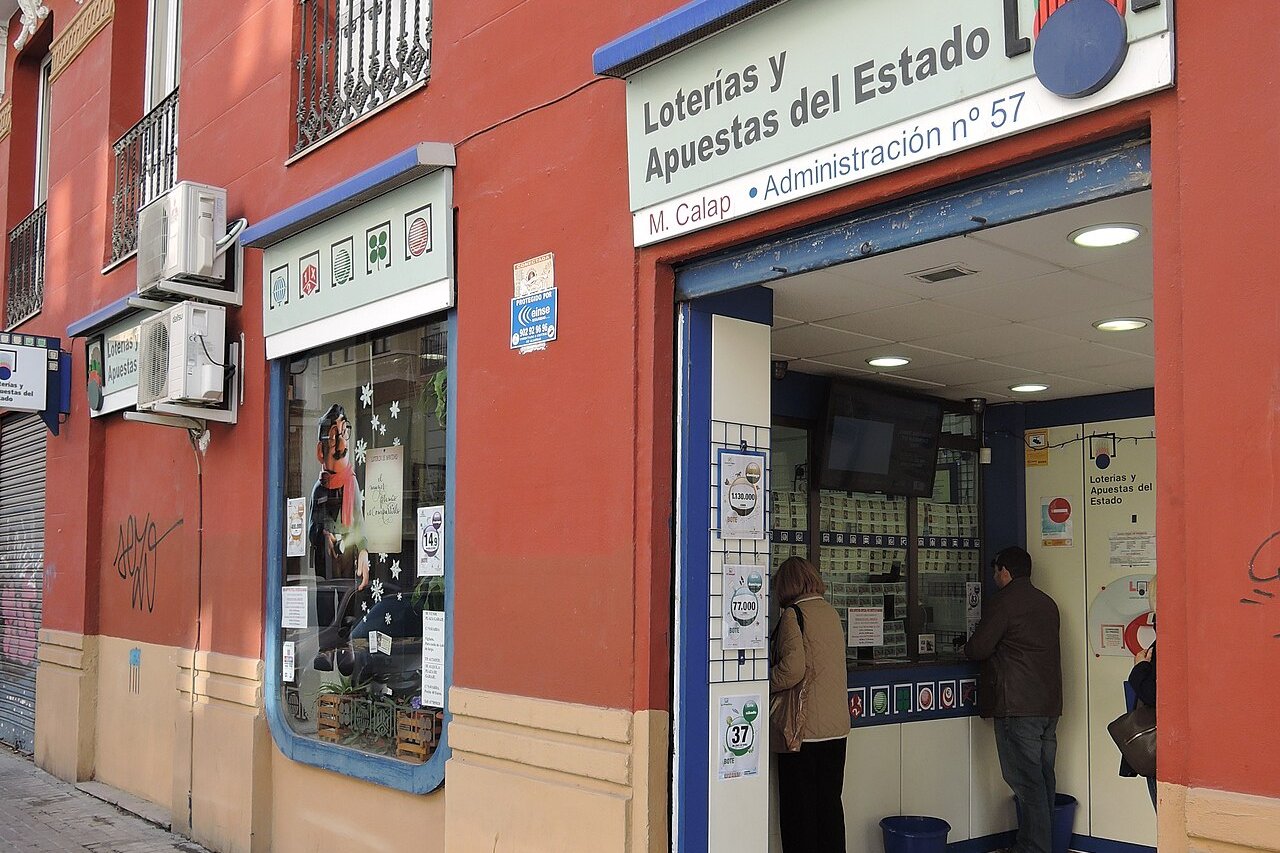
The quartet has one rule for the Christmas lottery: the ticket is bought in the town of the year's last wedding. This year that was Puçol, and it was my turn.