dad · breakfast · patraix
A cremaet in Patraix
One Wednesday a month I have almuerzo with my dad at a bar in Patraix. Today it was twenty-two degrees, he already knew about the funeral and I didn't know about my grandmother.

My dad always sends me the same message, on Tuesday night, no greeting and no punctuation: "Tomorrow half ten usual place". He never writes "if you can". He knows I can, because I don't teach on Wednesday mornings, and because we've been doing this since I moved to Valencia. One Wednesday a month, at the time he takes his break from the taxi, we have almuerzo together at Lola's bar, on a corner in Patraix, two streets from the flat that used to be my grandmother Carmen's and is now his.
My parents split up when I was ten, without any shouting, which was the part that confused me most. My mum stayed in the village and he came back to Valencia to drive. At Christmas he gets one day, in summer he gets another, and in between there are the Wednesdays. We don't talk much. We never have. But we eat very well.
Indian summer
Today I cycled there without my grandmother's coat. Last week it was eleven degrees and today my phone said twenty-two, with September sunshine and people on the bike lane in short sleeves, as if someone had got the month wrong. I arrived sweating at twenty-five past ten. My dad was already sitting at the table outside, the wobbly one, with the taxi double-parked and the little "free" light switched off.
The first thing he said was: "Saint Martin's summer." He says it every year on the eleventh of November, like someone announcing a birthday. Then he looked at the bike, which I was locking to the lamppost, and asked about the back brake. I told him it was fixed. He said "about time" and drank half a glass of water. I have no idea how he knew it was broken. I suspect my mum and he tell each other more than either of them tells me.
What gets ordered
There's no menu at Lola's. Lola comes out, looks at us and tells us what we're having, and she's nearly always right. For my dad, a blanco y negro sandwich with broad beans, which means white and black sausage, and a cremaet. For me, potato omelette with peppers, and a cremaet too, even though afterwards I'll be teaching eight-year-olds while smelling faintly of rum. Before all that, in the middle of the table, a plate of salted peanuts, the small ones still in their skins, and cracked olives that Lola dresses in a bucket behind the bar.
She makes the cremaet herself, in front of you, which is the whole point. Rum, sugar, a strip of lemon peel and a cinnamon stick in a short glass, and she sets it alight with a kitchen lighter. She stirs it with the teaspoon while it burns, a blue flame you could barely see in today's sun, and when the sugar has caramelised she pours the coffee on top and the whole thing goes out at once. My dad watches her do it every time as if it were the first.
He already knew
Halfway through his sandwich, without looking up, he said: "Lola tells me you played at the church on Saturday."
I hadn't told him. No reason; it just hadn't occurred to me. He never comes to hear me play, because weddings belong to other people and you can't just walk in, and I've got used to not telling him where I play, the same way he doesn't tell me where he drives people. But Patraix is small. Lola's mother lived on the same staircase as Maruja and sat in the third pew. On the way out she told her daughter that the girl with the violin was very young and had red hair. Lola told my dad on Monday with his coffee. My dad told her: "That's mine."
He told me all this plainly, while cracking a peanut with his thumbnail. Then he said we'd played "Ojos verdes", as if I didn't know. And then he said something else.
"Your grandmother used to sing it while she sewed."
I asked which grandmother. "Mine," he said, which is his way of saying Grandma Carmen. She sang it in the kitchen on that same street, with the sewing machine on the table and a mouthful of pins, so you could only understand half of it. She always got the same line wrong and made up her own words. As a boy he thought the song said "green as alfalfa", and he believed it until he was thirty.
I've spent a whole week thinking about Grandma Carmen. I've worn her coat, sewn on her button, smelled her mothballs. Nobody had ever told me she sang.
The lever
He paid, as always, leaving the coins in the little dish without checking the total. By ten past eleven he had to be back at the taxi rank at the station. Before getting into the car he walked round the lamppost, took hold of my handlebars and squeezed the back brake lever. Twice, hard, listening. Like when I was eight and he left the bike for me at the front door before he went.
He nodded. He got into the car, switched on the little green light and drove off down Archiduque Carlos with the window down, humming something with his mouth closed. I don't know if it was the song. From the pavement it sounded to me like he went wrong in the same place.
Keep reading
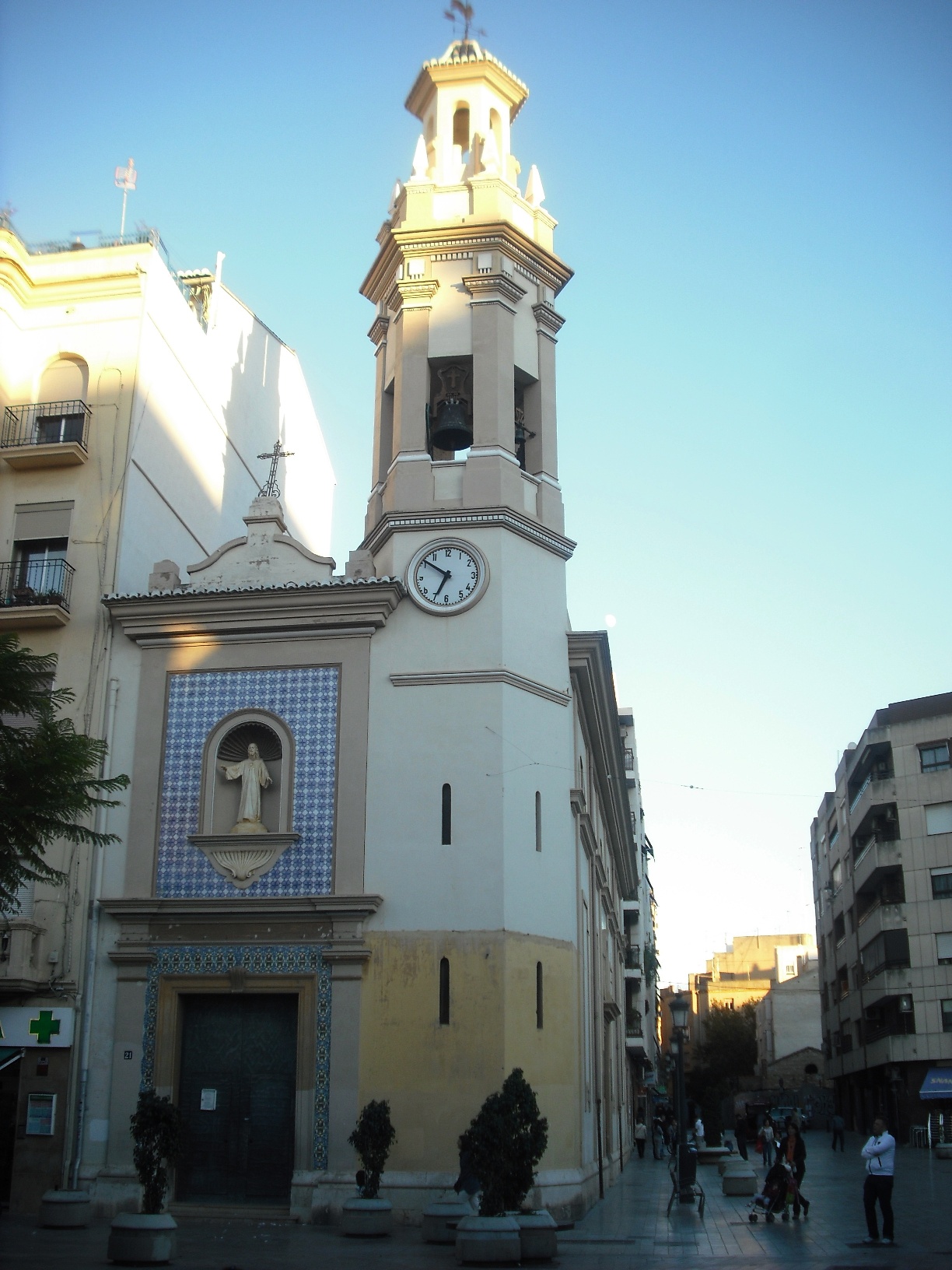
Green Eyes for Maruja
Wedding season was over, but on Saturday the quartet played a funeral in Patraix. The deceased had asked for it, copla and all, a year and a half earlier.

Open strings at seventy
Remei handed me a pupil nobody else wanted: Salvador, seventy, a retired tram driver with an eighty-nine-euro violin and a granddaughter in Castelló.

Wooden pegs
Now that it's cold, nothing dries in the kitchen gallery, so I went up to the roof terrace for the first time in months. Up there, Amparo, the west wind and some wooden pegs from 1960 are in charge.