market · russafa · neighbourhood
Fina's cardboard signs
A Thursday at eight in Russafa market: the fruit seller who writes her prices on cardboard, persimmons I can't choose and news that wasn't on any sign.
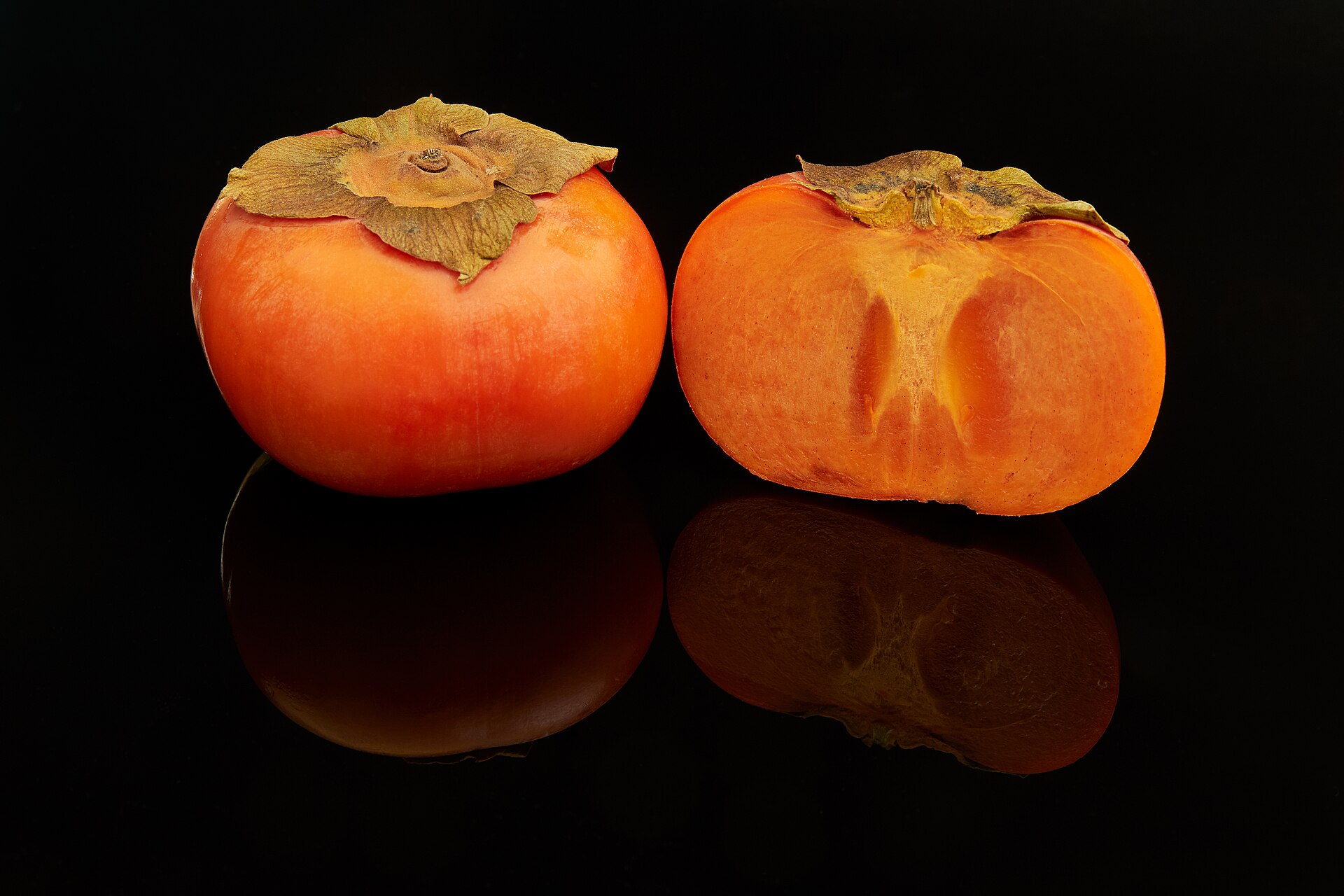
I don't teach on Thursdays until four, and ever since I moved to Russafa, Thursday mornings have belonged to someone: the market. I go at eight, when the shutters are still going up and the floors are shiny with bleach water. At that hour there are no tourists photographing the artichokes, just women with tartan shopping trolleys and the odd waiter buying lemons in a hurry. It's the only time of day when I feel I really belong to the neighbourhood, and I'm not just a tenant with a bike.
It was cold again today, so I walked there in grandma Carmen's coat, which goes down very well at the market. A woman at the egg stall touched my sleeve without asking and said, "They don't make these any more." I said no, they don't.
Fina's handwriting
My fruit seller is called Fina. Her stall is on the inside corner, by the pillar with the cracked tile, and she's the one who told me the other evening that when the clocks change everything gets shorter and longer at the same time. Fina doesn't have chalkboards or plastic labels like the new stalls. She has cardboard. She tears it off empty fruit boxes by hand, in pieces that are never the same shape, and writes on them with a fat black marker she wears round her neck on a shoelace.
Her handwriting is big and leans backwards, with Fs like walking sticks. And she has her own spelling, which is very firm. "KAKIS DE LA RIBERA 2,20". "GRANADAS DULZES". "MONIATO BUENO". "ESTO NO SE TOCA" (do not touch) on a separate piece, stuck into the custard apples. In four years I've never seen her correct a word. Once, as a joke, I told her that caqui, persimmon, is spelled with a c and a qu. She looked at me over her glasses and said she'd been selling them since before I could write, and persimmons can't read.
How to choose a persimmon
Today I wanted persimmons. No outside oranges are allowed in our flat while the box from Marta's aunt lasts, but nobody ever said anything about persimmons, and I exploit that loophole every November. The problem is that I can't choose them. I never could. I buy them hard and at home they stay hard for a whole week, like orange tennis balls, and then one Tuesday, with no warning, they turn into jam inside the fruit bowl.
I confessed this to Fina. She sighed the way Remei sighs when a parent asks whether their child can skip scales. She took one from the pile and put it in my hand. "Don't look at it. Weigh it." Then another. "This one's heavier, can you feel it? It's full." Then she had me run my thumb over the skin, very gently, without pressing, up to where the stalk starts. "If the skin wrinkles a little here, it's for tomorrow. If it doesn't, it's for Sunday. If your thumb sinks in, it's for now, and you eat it right here in front of me."
I took four for tomorrow and two for Sunday. While she put them in the paper bag, I thought that what she had just explained was exactly what I tell Nil about the bow: don't look at your hand, listen to how heavy it is. And that Fina never needed a conservatory.
What wasn't on any sign
As I turned away, change in my palm, she said: "Make the most of it. I won't be here in January."
She said it the same way she writes "MONIATO BUENO", with nothing on top. She's retiring. Forty-one years at the same stall, ever since her mother-in-law left it to her along with the old pan scales and a tin box for coins that she still uses. Her daughter is a nurse at La Fe hospital and doesn't want the stall, and Fina says she's right, because fruit leaves your hands in a state nobody wants to hold afterwards. She showed me. Her fingertips were cracked, like mine when I practise a lot, but in the other direction.
I asked her what would go in the stall. She shrugged. The council will put it out to tender, and someone will probably make coloured juices in plastic cups with paper straws. "People have to eat too," she said, and I couldn't tell if she meant it.
I didn't know what to say, which is what always happens when someone tells me something important while I'm holding a shopping bag. I said "oh no." Fina looked at my coat, said "They don't make these any more," and turned to the woman behind me, who had been clearing her throat for a while.
Kakis
When I was already leaving she called after me: "Xiqueta." Young lady. She pulled the persimmon sign out from among the fruit, wrote a new one in a second, just as crooked, and gave me the old one. "So you learn how to spell."
I walked home with the six persimmons in one hand and the cardboard in the other, trying not to bend it. Marta had already left for work. I put the persimmons in the fruit bowl, apart, tomorrow's on one side and Sunday's on the other, the way you keep the music for two different concerts apart. And I propped the sign on my music stand, in front of the Haydn, where I'll see it every morning with my coffee.
KAKIS DE LA RIBERA 2,20. With a K. I started practising the slow movement, and every time I looked up the K of KAKIS was still there, leaning backwards, like someone propped against a wall to watch people go by.
Keep reading
The Water Heater Goes Click
On the second cold day the flat's water heater decided not to light. A four-second shower, a landlord who only sends voice notes and a nine-year-old pupil with the answer.

January Sand in the Pocket
On the first cold day I took my grandmother Carmen's coat down from the top of the wardrobe. It smelled of mothballs and held a handful of beach, an orphaned glove and a button hanging by a thread.

The Secret Was a Potato
All Saints' Day at my mother's: a floury table, my grandmother rolling panellets in pine nuts, and a recipe that had been hiding a tuber from me for twenty-seven years.